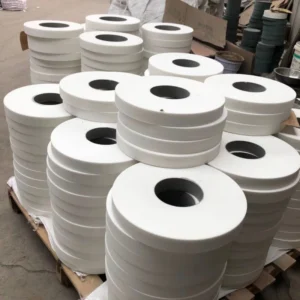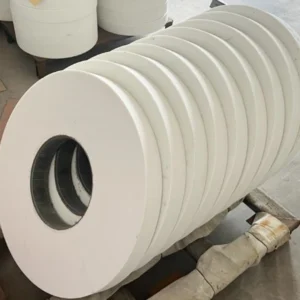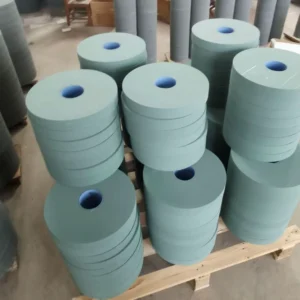
Grinding wheels play a critical role in precision machining, metal fabrication, and engine component repair. Among all grinding wheel bond types, vitrified bond grinding wheels and resin bond grinding wheels are the most widely used.
However, many buyers still ask the same question:
What is the real difference between vitrified and resin bond grinding wheels, and which one is better for my application?
In this article, we clearly compare vitrified vs resin bond grinding wheels in terms of structure, performance, applications, and cost, so you can make the right decision with confidence.
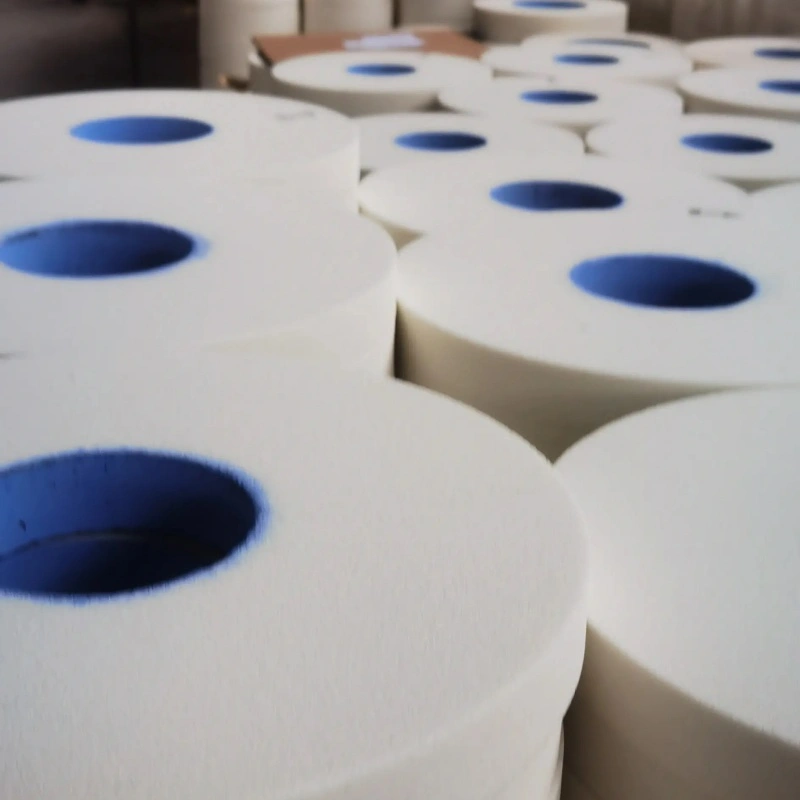
What Is a Vitrified Bond Grinding Wheel?
A vitrified grinding wheel uses ceramic (glass-like) materials as the bonding agent. During firing at high temperatures, the bond forms a rigid and porous structure.
As a result, vitrified bond grinding wheels offer excellent cutting precision and thermal stability.
Key Features of Vitrified Bond Grinding Wheels
- High rigidity and shape retention
- Excellent heat resistance
- Porous structure for better coolant flow
- Long service life
- High dimensional accuracy
Therefore, vitrified grinding wheels are ideal for precision grinding applications where accuracy and surface finish are critical.
What Is a Resin Bond Grinding Wheel?
A resin bond grinding wheel uses synthetic resin as the bonding material. Compared to vitrified bonds, resin bonds are more elastic and flexible.
Because of this elasticity, resin bond grinding wheels can absorb vibration more effectively during grinding.
Key Features of Resin Bond Grinding Wheels
- Good elasticity and shock resistance
- Lower grinding noise
- Suitable for high-speed grinding
- Smooth surface finish
- Lower initial cost
As a result, resin bond grinding wheels are commonly used in general-purpose and high-efficiency grinding operations.
Vitrified vs Resin Bond Grinding Wheels: Detailed Comparison
1. Grinding Accuracy and Stability
Vitrified bond grinding wheels maintain their shape extremely well. Therefore, they are preferred for precision machining, such as:
- Crankshaft grinding
- Cylindrical grinding
- Camshaft grinding
- Roll grinding
In contrast, resin bond grinding wheels are slightly less rigid. However, they perform well when vibration control is more important than ultra-high precision.
2. Heat Resistance
Vitrified grinding wheels can withstand high grinding temperatures without deformation. As a result, they are suitable for heavy-duty and continuous grinding.
Resin bond grinding wheels, on the other hand, may soften under excessive heat. Therefore, proper speed and coolant control are essential.
3. Surface Finish
Resin bond grinding wheels often produce a smoother surface finish due to their elastic bond. For this reason, they are widely used in:
- Surface grinding
- Tool grinding
- Light finishing operations
However, vitrified grinding wheels can also achieve excellent surface finishes when properly selected and dressed.
4. Dressing and Maintenance
Vitrified bond grinding wheels are easy to dress and sharpen. Consequently, operators can maintain consistent cutting performance over a long period.
Resin bond grinding wheels require less frequent dressing. However, once worn, they usually have a shorter usable life.
How to Choose Between Vitrified and Resin Bond Grinding Wheels
When selecting the right grinding wheel bond, you should consider the following factors:
- Workpiece material (steel, cast iron, stainless steel, alloy steel)
- Required dimensional accuracy
- Grinding speed and load
- Heat generation and coolant conditions
- Machine type and rigidity
For example, if you need high precision and long wheel life, a vitrified grinding wheel is usually the best choice.
However, if you focus on smooth finishes and vibration reduction, a resin bond grinding wheel may be more suitable.
Which Grinding Wheel Bond Is Better?
There is no absolute “better” choice. Instead, the best grinding wheel depends on your application.
- Choose vitrified bond grinding wheels for precision, stability, and durability
- Choose resin bond grinding wheels for flexibility, smooth finishes, and high-speed operations
Therefore, understanding the differences between vitrified vs resin bond grinding wheels helps you reduce costs, improve efficiency, and achieve better grinding results.
Conclusion
Both vitrified and resin bond grinding wheels play essential roles in modern machining and industrial grinding. By selecting the correct bond type, you can significantly improve productivity and surface quality.
If you are looking for a reliable grinding wheel manufacturer or need technical support for choosing the right grinding wheel, professional guidance can make a real difference.