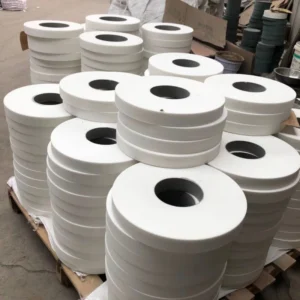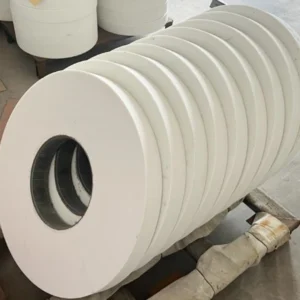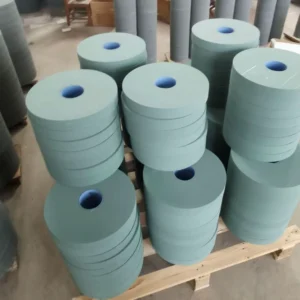
Choosing the correct grinding wheel grit directly affects cutting efficiency, surface finish, and wheel life. However, many users still wonder how grit sizes such as 36, 46, 60, and 80 actually differ.
In most precision machining operations, vitrified grinding wheels are preferred because they maintain consistent grit exposure and stable cutting performance.
In this guide, we clearly explain grinding wheel grit and help you select the right option for your grinding application.
What Is Grinding Wheel Grit?
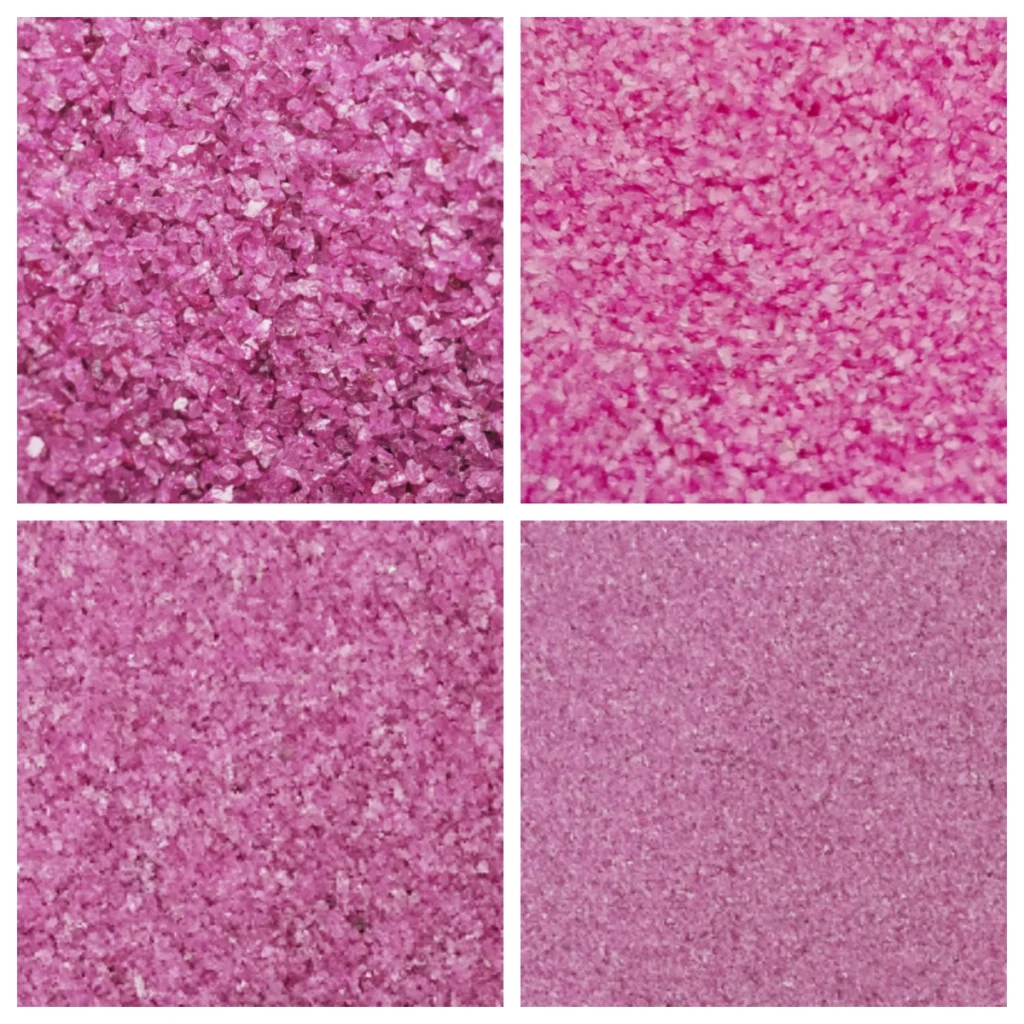
Grinding wheel grit refers to the size of the abrasive grains bonded into the wheel. In general, lower grit numbers mean coarser grains, while higher grit numbers mean finer grains.
As a result, grit size controls how aggressively the wheel cuts and how smooth the final surface becomes.
Why Grinding Wheel Grit Matters
Grinding wheel grit size influences:
- Material removal rate
- Surface finish quality
- Heat generation
- Wheel wear and lifespan
Therefore, selecting the correct grit size improves productivity and prevents unnecessary rework.
36 Grit Grinding Wheel: Coarse and Aggressive
A 36 grit grinding wheel features large abrasive grains designed for fast stock removal. For heavy stock removal, a 36 grit grinding wheel is commonly used, especially in vitrified grinding wheels for crankshaft and cylindrical grinding.
Best Applications:
- Heavy material removal
- Rough grinding operations
- Cast iron and carbon steel
- Weld seam removal
Because of its aggressive cutting action, 36 grit is ideal when speed matters more than surface finish. However, it leaves a relatively rough surface.
46 Grit Grinding Wheel: Balanced Performance
A 46 grit grinding wheel offers a balance between cutting speed and surface quality.
Best Applications:
- General-purpose grinding
- Cylindrical grinding
- Crankshaft grinding
- Medium stock removal
Therefore, 46 grit grinding wheels are widely used in workshops and repair facilities where both efficiency and control are required.
60 Grit Grinding Wheel: Finer Control and Finish
A 60 grit grinding wheel provides finer abrasive grains, resulting in smoother finishes.
Best Applications:
- Precision grinding
- Shaft and bearing surfaces
- Surface grinding
- Finish grinding before polishing
Moreover, 60 grit wheels generate less vibration and produce more consistent results in precision machining.
80 Grit Grinding Wheel: Fine Finishing
An 80 grit grinding wheel delivers excellent surface quality with minimal material removal.
Best Applications:
- Final finishing operations
- Light surface grinding
- Stainless steel finishing
- Applications requiring tight tolerances
As a result, 80 grit grinding wheels are often used when surface appearance and accuracy are critical.
Grinding Wheel Grit Comparison Table
| Grit Size | Cutting Action | Surface Finish | Typical Use |
|---|---|---|---|
| 36 grit | Very coarse | Rough | Heavy stock removal |
| 46 grit | Medium-coarse | Moderate | General grinding |
| 60 grit | Medium-fine | Smooth | Precision grinding |
| 80 grit | Fine | Very smooth | Final finishing |
How to Choose the Right Grinding Wheel Grit
When selecting a grinding wheel grit size, consider the following factors:
- Workpiece material hardness
- Amount of material to remove
- Required surface finish
- Grinding machine type
- Heat sensitivity of the material
For example, choose 36 or 46 grit for rough grinding and stock removal. In contrast, choose 60 or 80 grit for finishing and precision work.
Common Applications by Grit
- 36–46 grit: Heavy-duty grinding, crankshaft repair, rough cylindrical grinding
- 46–60 grit: General cylindrical grinding and surface grinding
- 60–80 grit: Precision components, stainless steel, finishing operations
Therefore, understanding grit size helps you maximize wheel performance and extend service life.
Conclusion
Grinding wheel grit size plays a vital role in grinding performance. By understanding the differences between 36, 46, 60, and 80 grit grinding wheels, you can improve efficiency, reduce costs, and achieve better surface finishes.
If you need assistance selecting the right grinding wheel grit for your application, professional guidance from an experienced grinding wheel manufacturer can help ensure optimal results.