Grinding burn is one of the most common problems in precision grinding. However, many operators only notice the discoloration on the surface and overlook the deeper damage it can cause. Therefore, understanding why a grinding wheel burns the workpiece is critical for improving surface quality, extending tool life, and reducing scrap rates.
In this article, we will explain the main causes of grinding burn, how it affects the workpiece, and most importantly, how to prevent it effectively.
What Is Grinding Burn?
Grinding burn occurs when excessive heat builds up at the contact zone between the grinding wheel and the workpiece. As a result, the surface temperature exceeds the material’s tolerance, leading to:
- Surface discoloration (blue, brown, or black marks)
- Microstructural changes
- Reduced hardness
- Surface cracks or tensile stress
Although burn marks may look minor, they often indicate serious subsurface damage.
Main Reasons Why Grinding Wheels Burn the Workpiece
1. Incorrect Grinding Wheel Specification
First of all, using the wrong grinding wheel is one of the primary causes of burn.
For example:
- A wheel that is too hard does not release dull grains
- Abrasive grains lose cutting ability and start rubbing instead
- Friction increases rapidly, generating excessive heat
Therefore, selecting the correct abrasive type, grit size, grade, and bond is essential.
2. Dull or Loaded Grinding Wheel
Over time, grinding wheels become dull or loaded with metal chips. Consequently:
- Cutting efficiency drops
- Heat generation increases
- The wheel rubs instead of cuts
Without regular dressing, even a high-quality grinding wheel can cause burn.
3. Excessive Infeed or Feed Rate
While higher material removal rates may seem efficient, excessive infeed or feed speed often leads to grinding burn.
As a result:
- Heat cannot dissipate fast enough
- The contact zone temperature rises sharply
- Surface damage occurs instantly
Therefore, optimizing cutting parameters is crucial.
4. Insufficient or Improper Coolant Application
Coolant plays a critical role in grinding. However, problems occur when:
- Coolant flow is too low
- Nozzle alignment is incorrect
- Coolant does not reach the grinding zone
As a result, heat accumulates rapidly, increasing the risk of burn.
5. Incorrect Wheel Speed or Machine Condition
In addition, improper wheel speed can significantly affect heat generation.
For instance:
- Excessive wheel speed increases friction
- Machine vibration causes unstable contact
- Poor spindle condition leads to uneven grinding pressure
Therefore, machine setup and maintenance should never be ignored.
Effects of Grinding Burn on the Workpiece
Grinding burn does more than affect appearance. In fact, it can seriously compromise performance.
Common effects include:
- Reduced fatigue life
- Lower surface hardness
- Residual tensile stress
- Risk of cracking during service
Especially in automotive, aerospace, and precision engineering, grinding burn can lead to part failure.
How to Prevent Grinding Burn Effectively
Fortunately, grinding burn is preventable when the right measures are applied.
✔ Choose the Correct Grinding Wheel
- Match abrasive type to material (e.g., aluminum oxide for steel)
- Select appropriate hardness and structure
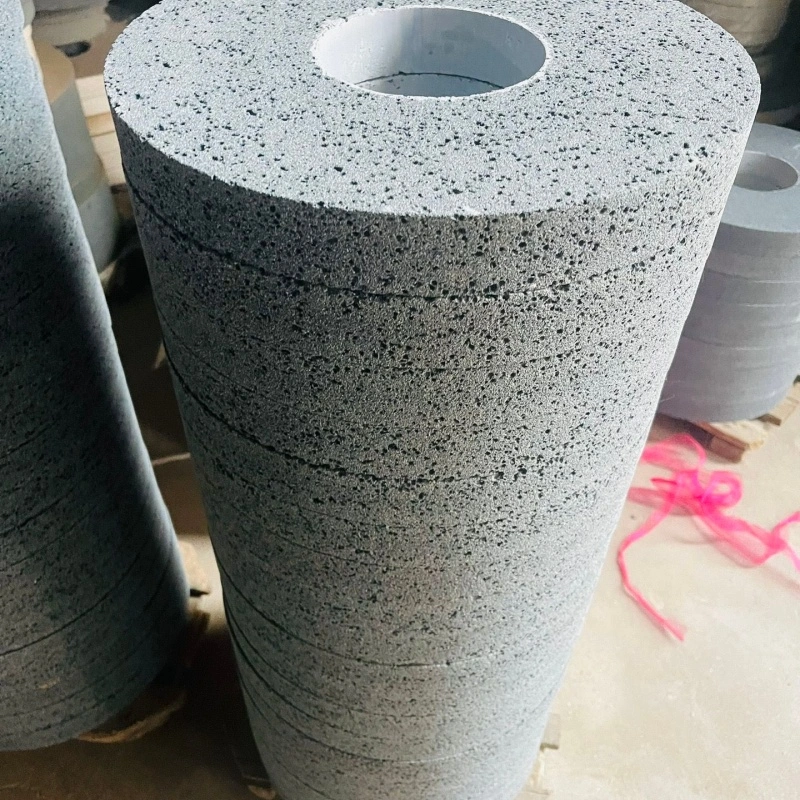
- Use open-structure wheels for heat-sensitive applications
✔ Dress the Wheel Regularly
- Restore sharp cutting edges
- Improve chip clearance
- Reduce friction and heat
✔ Optimize Grinding Parameters
- Reduce infeed depth
- Adjust feed rate
- Balance material removal and heat control
✔ Improve Coolant Delivery
- Increase coolant flow rate
- Align nozzles directly into the grinding zone
- Use suitable grinding fluid
✔ Maintain Proper Machine Conditions
- Ensure spindle accuracy
- Minimize vibration
- Keep wheel speed within recommended limits
Final Thoughts
In conclusion, a grinding wheel burns the workpiece mainly due to excessive heat caused by improper wheel selection, dull wheels, aggressive parameters, or poor cooling. However, by choosing the right grinding wheel, optimizing process parameters, and maintaining proper coolant delivery, grinding burn can be effectively eliminated.
Ultimately, controlling grinding burn not only improves surface quality but also enhances productivity and reduces manufacturing costs.