Which Grinding Wheel Is Used for Stainless Steel Grinding?
Grinding stainless steel requires the right grinding wheel selection. Because stainless steel is tough, ductile, and heat-sensitive, using the wrong wheel can quickly cause burning, glazing, poor surface finish, or excessive wheel wear. Therefore, choosing a suitable grinding wheel is critical for efficiency and surface quality.
In this guide, we will explain which grinding wheel is best for stainless steel, what abrasives to use, and how to optimize grinding performance.
Key Characteristics of Stainless Steel in Grinding
Before selecting a grinding wheel, it is important to understand stainless steel’s behavior during grinding:
- High toughness and ductility
- Tendency to generate heat quickly
- Prone to wheel loading and glazing
- Requires controlled cutting rather than aggressive rubbing
As a result, the grinding wheel must be sharp, cool-cutting, and resistant to loading.
Best Abrasives for Stainless Steel Grinding
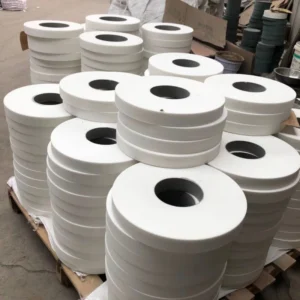
1. White Aluminum Oxide (WA) – Most Recommended
White aluminum oxide is the most commonly used abrasive for stainless steel grinding.
Why it works well:
- Sharp and friable grains break down easily
- Produces lower grinding heat
- Reduces workpiece burn and discoloration
- Suitable for precision and surface grinding
👉 Best for: Surface grinding, cylindrical grinding, tool grinding
2. Pink Aluminum Oxide (PA) – Enhanced Durability
Pink aluminum oxide is a modified version of white aluminum oxide with added chromium oxide.
Advantages include:
- Better grain toughness than WA
- Longer wheel life
- Stable grinding performance under moderate pressure
👉 Best for: Continuous stainless steel grinding where wheel life matters
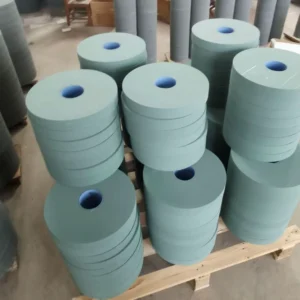
3. Ceramic Aluminum Oxide – For Heavy-Duty Grinding
Ceramic abrasives are ideal for high-pressure and high-efficiency grinding of stainless steel.
Key benefits:
- Self-sharpening microcrystalline structure
- Excellent heat control
- High material removal rate (MRR)
👉 Best for: CNC grinding, high-speed production environments
Recommended Bond Types for Stainless Steel
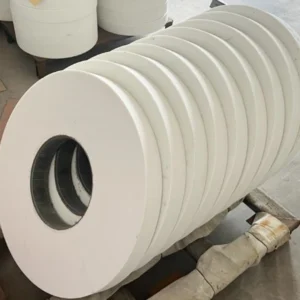
Vitrified Bond (Most Popular)
Vitrified grinding wheels are widely used for stainless steel due to their porous structure and excellent heat dissipation.
Why choose vitrified bond:
- Good chip clearance
- Stable form holding
- Easy dressing and consistent performance
Resin Bond (For Flexible Applications)
Resin bond wheels provide a smoother grinding action and better shock resistance.
👉 Best for: Cut-off, snagging, and hand grinding of stainless steel parts
Optimal Grit for Stainless Steel Grinding
Choosing the correct grit also matters:
- 36–46 grit: Heavy stock removal
- 60–80 grit: General grinding
- 100–120 grit: Fine finishing
However, finer grit sizes should be paired with softer grades to avoid glazing.
Tips to Improve Stainless Steel Grinding Performance
To achieve the best results, follow these practical tips:
- Use softer wheel grades to maintain sharp cutting edges
- Apply adequate coolant whenever possible
- Dress the wheel regularly to prevent loading
- Avoid excessive grinding pressure
As a result, you will achieve better surface finish and longer wheel life.
Visual Inspiration & Application Examples
For real-world stainless steel grinding applications and visual references, you can explore this Pinterest board:
Conclusion
In summary, white aluminum oxide, pink aluminum oxide, and ceramic grinding wheels are the best choices for stainless steel grinding. When combined with the right bond type, grit size, and operating parameters, they ensure cool cutting, high efficiency, and excellent surface quality.
If you are unsure which grinding wheel fits your stainless steel application, selecting a vitrified WA or PA wheel is always a safe and proven starting point.