How to Dress a Grinding Wheel: Step-by-Step Guide for Industrial Grinding
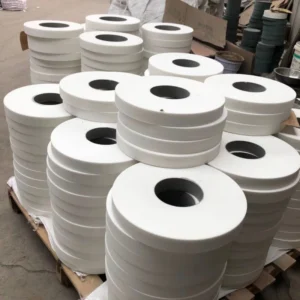
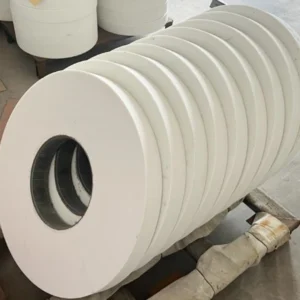
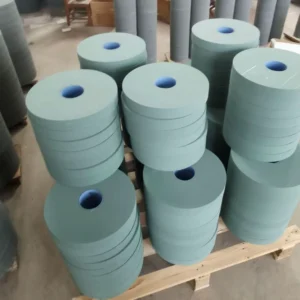
Grinding wheel dressing is a critical process in industrial grinding operations. Proper dressing restores the cutting ability of a grinding wheel, improves surface finish, and ensures stable grinding performance. In this guide, we explain what grinding wheel dressing is, when it is required, and how to dress a grinding wheel correctly in industrial applications.
What Is Grinding Wheel Dressing?
Grinding wheel dressing is the process of removing dull abrasive grains, debris, and bond material from the wheel surface. This exposes fresh abrasive grains and restores the wheel’s cutting efficiency.
In industrial environments, regular dressing helps prevent:
- Grinding burns
- Poor surface finish
- Excessive vibration
- Increased grinding forces
Dressing is essential for maintaining consistent results when using industrial grinding wheels in metal fabrication, crankshaft grinding, and surface grinding operations.
When Should You Dress a Grinding Wheel?
You should dress a grinding wheel when you notice any of the following signs:
- Reduced material removal rate
- Increased heat during grinding
- Glazing or loading on the wheel surface
- Poor dimensional accuracy
- Chatter marks on the workpiece
In high-precision applications such as crankshaft or CNC grinding, dressing intervals are especially important to maintain accuracy and surface quality.
How to Dress a Grinding Wheel (Step-by-Step)
Step 1: Choose the Right Dressing Tool
Common dressing tools include:
- Single-point diamond dresser
- Multi-point diamond dresser
- Rotary diamond dresser
Select the appropriate tool based on wheel size, bond type, and grinding application.
Step 2: Secure the Dressing Tool
Mount the dresser firmly on the machine tool holder. Ensure proper alignment with the grinding wheel surface to avoid uneven dressing.
Step 3: Set the Correct Dressing Parameters
- Light infeed per pass
- Consistent traverse speed
- Adequate coolant supply (if applicable)
Incorrect parameters can reduce wheel life or damage the wheel structure.
Step 4: Perform the Dressing Operation
Engage the dresser gently with the rotating grinding wheel. Allow uniform contact across the wheel face to ensure even grain exposure.
Step 5: Inspect the Wheel Surface
After dressing, inspect the wheel for:
- Uniform texture
- Sharp abrasive grains
- No visible glazing or loading
The wheel is now ready for efficient and stable grinding.
Common Mistakes to Avoid When Dressing Grinding Wheels
- Applying excessive dressing force
- Dressing too frequently or too infrequently
- Using the wrong dresser for the wheel type
- Ignoring coolant during high-speed grinding
Avoiding these mistakes can significantly extend grinding wheel service life and improve grinding quality.
Choosing the Right Grinding Wheel for Easy Dressing
The ease of dressing depends on factors such as:
- Abrasive type
- Bond system
- Wheel hardness
- Wheel structure
High-quality industrial grinding wheels are designed for stable dressing performance and consistent grain renewal.
Conclusion
Knowing how to dress a grinding wheel correctly is essential for achieving high-quality grinding results and extending wheel life. With proper dressing techniques and the right grinding wheel selection, industrial users can significantly improve productivity and machining accuracy.
If you are looking for reliable grinding wheel solutions for industrial applications, selecting a professional manufacturer with consistent quality and customization capability is key.