Introduction – Grinding Wheels for CNC Machining
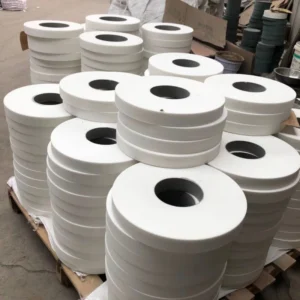
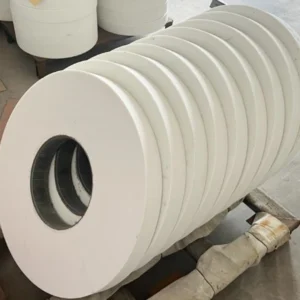
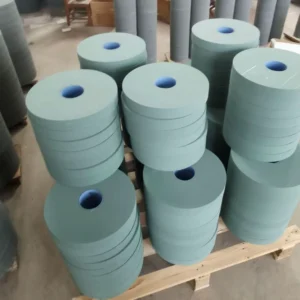
CNC machining demands high accuracy, repeatability, and process stability. As CNC machines continue to evolve toward higher speeds and tighter tolerances, grinding wheels for CNC machining applications play a critical role in achieving consistent dimensional accuracy and surface quality.
Unlike conventional manual grinding, CNC grinding requires wheels that maintain shape integrity, cutting efficiency, and predictable wear behavior throughout continuous operation. Therefore, selecting the right grinding wheel directly impacts productivity, tool life, and finished part quality.
This guide explains how grinding wheels function in CNC machining, which wheel types work best, and how manufacturers can optimize grinding performance.
Why Grinding Wheels Matter in CNC Machining
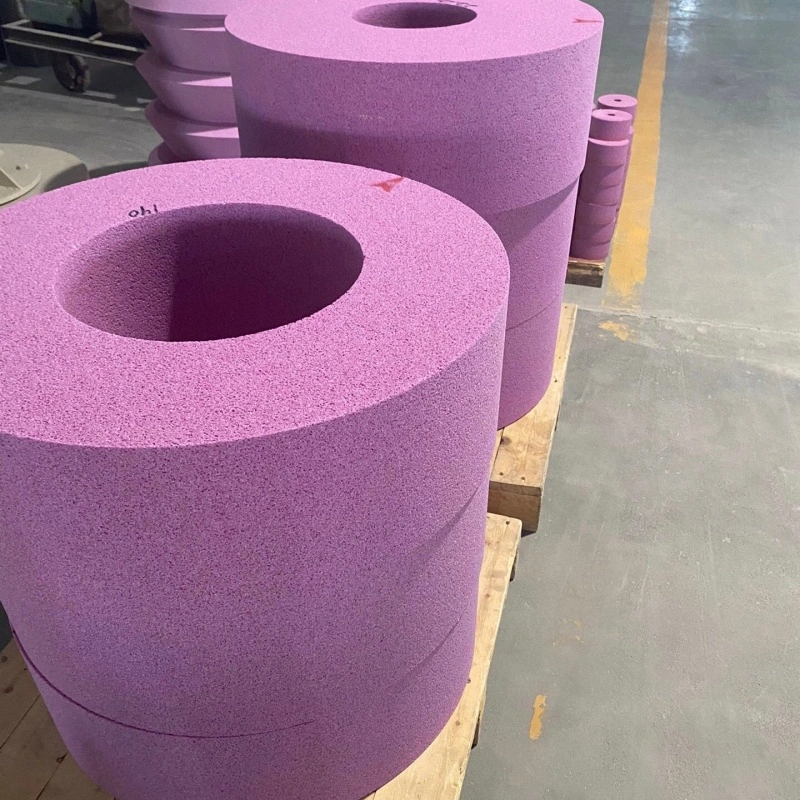
CNC machining integrates automation, precision control, and repeatable motion. As a result, grinding wheels used in CNC applications must meet stricter performance requirements than those used in manual or semi-automatic machines.
Grinding wheels for CNC machining applications must:
- Maintain consistent wheel geometry
- Deliver stable cutting performance
- Resist thermal damage and glazing
- Support automated dressing cycles
Because CNC systems rely on programmed parameters rather than operator adjustments, wheel stability becomes essential.
Common CNC Grinding Applications
Grinding wheels support a wide range of CNC machining operations. These include:
- CNC surface grinding
- CNC cylindrical grinding
- CNC internal grinding
- CNC tool and cutter grinding
- CNC crankshaft and camshaft grinding
Each application places different demands on abrasive type, grit size, and bond system. Consequently, wheel selection must align with both the machine configuration and the workpiece material.
Abrasive Types for CNC Grinding Wheels
Aluminum Oxide Grinding Wheels
Manufacturers widely use aluminum oxide abrasives in CNC machining due to their balanced cutting ability and wear resistance. These abrasives perform well when grinding:
- Carbon steel
- Alloy steel
- Tool steel
Aluminum oxide grinding wheels deliver stable performance in surface grinding, cylindrical grinding, and general CNC machining operations.
Silicon Carbide Grinding Wheels
Silicon carbide abrasives offer sharper cutting edges. Therefore, CNC operators often select them for:
- Cast iron
- Non-ferrous metals
- Carbide materials
However, silicon carbide wheels wear faster on hardened steel, so proper application selection remains critical.
Diamond and CBN Grinding Wheels
For high-precision CNC machining, diamond and CBN grinding wheels provide exceptional performance.
- Diamond wheels work best on non-ferrous and carbide materials
- CBN wheels excel in hardened steel and high-speed CNC grinding
Although these wheels cost more initially, they deliver longer service life and consistent accuracy in demanding applications.
Bond Systems Used in CNC Grinding Wheels
Vitrified Bond Grinding Wheels
Vitrified bond grinding wheels dominate CNC machining applications. Manufacturers prefer them because they offer:
- Excellent heat resistance
- Strong shape retention
- Predictable dressing behavior
Additionally, vitrified bond grinding wheels support automated dressing systems, which makes them ideal for CNC environments.
Resin Bond Grinding Wheels
Resin bond grinding wheels provide smoother finishes and quieter operation. CNC machinists often use them in applications requiring fine surface quality or reduced vibration.
However, resin bonds may generate more heat, so operators must carefully control grinding parameters.
Grit Size Selection for CNC Grinding
Grit size directly affects material removal rate and surface finish. In CNC machining applications:
- Coarse grits remove material quickly
- Medium grits balance efficiency and finish
- Fine grits achieve precision surface quality
Because CNC machines operate at consistent speeds and feeds, selecting the correct grit size ensures stable grinding performance and reduces wheel wear.
Dressing Considerations in CNC Grinding
CNC grinding relies heavily on controlled dressing processes. Grinding wheels for CNC machining applications must respond consistently to dressing tools.
Vitrified bond grinding wheels allow precise dressing, which restores cutting ability and maintains wheel geometry. As a result, manufacturers achieve repeatable grinding results over long production cycles.
Benefits of Using the Right Grinding Wheels for CNC Machining
When manufacturers select suitable grinding wheels for CNC machining applications, they achieve several advantages:
- Improved dimensional accuracy
- Consistent surface finish
- Reduced thermal damage
- Longer wheel life
- Higher production efficiency
Therefore, grinding wheel selection directly supports both product quality and operational efficiency.
Choosing a Grinding Wheel Manufacturer for CNC Applications
A reliable grinding wheel manufacturer understands CNC machining requirements and provides technical support for wheel selection and optimization.
Experienced manufacturers supply:
- Custom wheel specifications
- Consistent quality control
- Application-based recommendations
As a result, CNC machining companies can maintain stable production and reduce downtime.
Conclusion
Grinding wheels for CNC machining applications play a vital role in precision manufacturing. By selecting the correct abrasive type, bond system, and grit size, manufacturers can achieve stable grinding performance and consistent results.
As CNC machining continues to advance, properly engineered grinding wheels remain essential tools for achieving efficiency, accuracy, and long-term process reliability.