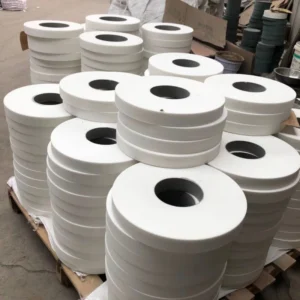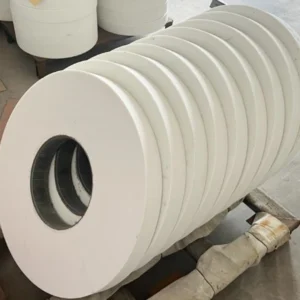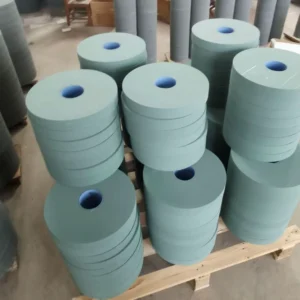
Tool grinding plays a critical role in maintaining cutting performance, dimensional accuracy, and surface finish. Whether you are sharpening milling cutters, drill bits, turning tools, or woodworking knives, choosing the correct grinding wheel directly affects tool life and machining quality.
In this guide, we’ll explain different types of grinding wheels for tool grinding, their applications, abrasive materials, grit selection, and practical tips to help you choose the right wheel.
What Is Tool Grinding?
Tool grinding is the process of sharpening, reconditioning, or manufacturing cutting tools using precision grinding wheels.
Common tools include:
- End mills
- Drill bits
- Lathe tools
- Milling cutters
- Reamers
- Broaches
- Punches
- Woodworking knives
The objective is to restore the cutting edge while maintaining precise geometry.
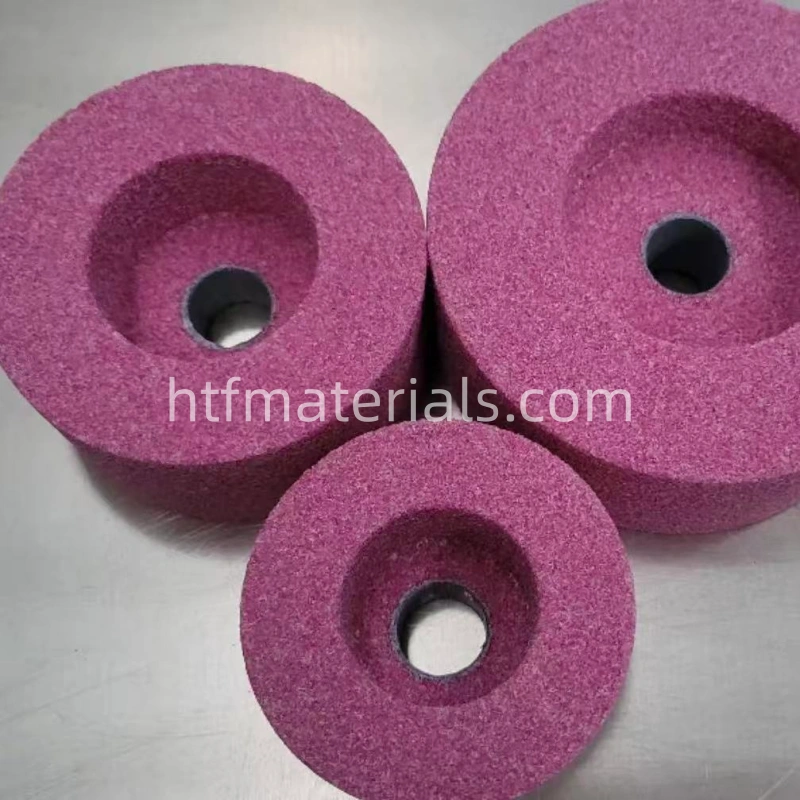
Types of Grinding Wheels for Tool Grinding
1. Aluminum Oxide Grinding Wheels
Aluminum oxide wheels are the most widely used grinding wheels for high-speed steel (HSS) tools.
Advantages
- Excellent cutting performance
- Cost-effective
- Long service life
- Suitable for general tool sharpening
Typical applications include:
- Drill sharpening
- Milling cutter grinding
- Lathe tool grinding
- General workshop maintenance
2. White Aluminum Oxide Wheels
White aluminum oxide is purer and friable than standard aluminum oxide.
Benefits include:
- Cooler grinding
- Less heat generation
- Reduced risk of burning tools
- Better edge quality
Ideal for precision sharpening of HSS cutting tools.
3. CBN Grinding Wheels
CBN (Cubic Boron Nitride) wheels are designed primarily for hardened steel.
Advantages:
- Extremely long wheel life
- High grinding efficiency
- Excellent dimensional accuracy
- Reduced dressing frequency
Common applications:
- Hardened tool steel
- HSS production
- CNC tool grinding
4. Diamond Grinding Wheels
Diamond wheels are mainly used for carbide tools.
Suitable for:
- Tungsten carbide end mills
- Carbide inserts
- Ceramic cutting tools
- PCD tools
Diamond provides superior wear resistance and produces excellent surface finishes.
Choosing the Right Abrasive Material
| Tool Material | Recommended Wheel |
|---|---|
| High-Speed Steel (HSS) | White Aluminum Oxide |
| Carbon Steel | Aluminum Oxide |
| Hardened Steel | CBN |
| Tungsten Carbide | Diamond |
| Ceramic Tools | Diamond |
Selecting the appropriate abrasive improves grinding efficiency and extends both wheel and tool life.
Selecting the Proper Grit
Different grinding stages require different grit sizes.
Coarse Grit (24–46)
Best for:
- Heavy stock removal
- Initial shaping
- Fast material removal
Medium Grit (60–80)
Suitable for:
- General sharpening
- Routine maintenance
- Universal tool grinding
Fine Grit (100–180)
Recommended for:
- Precision finishing
- Fine cutting edges
- Superior surface finish
Choosing the Correct Wheel Hardness
Wheel hardness determines how easily abrasive grains release during grinding.
General recommendations:
- Soft wheels for hard materials
- Hard wheels for softer materials
This balance ensures efficient cutting while minimizing heat buildup.
Applications of Tool Grinding Wheels
Grinding wheels for tool grinding are widely used in:
- Tool manufacturing
- Tool reconditioning
- CNC tool grinding machines
- Machine shops
- Automotive industry
- Aerospace manufacturing
- Mold and die production
- Woodworking tool sharpening
How to Improve Grinding Performance
To achieve the best grinding results:
- Select the correct abrasive material.
- Match grit size to the grinding operation.
- Use proper wheel speed.
- Dress the wheel regularly.
- Apply adequate coolant when necessary.
- Avoid excessive grinding pressure.
Following these practices improves wheel life and reduces thermal damage to cutting tools.
Why Choose Vitrified Bond Grinding Wheels?
Vitrified bond grinding wheels offer several advantages for tool grinding:
- Excellent profile retention
- High porosity for cooler grinding
- Superior dimensional stability
- Long service life
- Consistent grinding performance
These characteristics make vitrified wheels suitable for both manual and CNC tool grinding applications.
Conclusion
Selecting the correct grinding wheel for tool grinding depends on the tool material, grinding operation, required surface finish, and production efficiency. Aluminum oxide wheels remain the standard choice for HSS tools, while CBN and diamond wheels are preferred for hardened steel and carbide applications.
At HTF Materials, we manufacture high-quality vitrified grinding wheels for precision tool grinding, offering stable performance, long service life, and customized specifications to meet various industrial requirements.
Contact us today to find the right grinding wheel solution for your application.