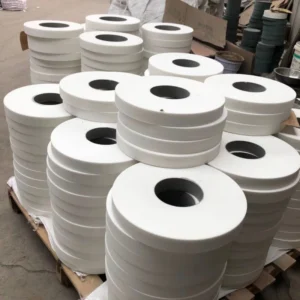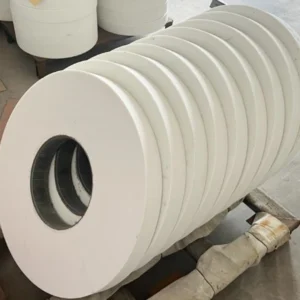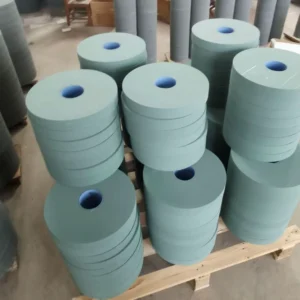
Best Grinding Wheels for Shaft and Cylindrical Grinding
Shaft and cylindrical grinding are essential processes in precision machining. Industries such as automotive manufacturing, heavy equipment, and machine repair rely on accurate grinding to produce high-precision shafts and cylindrical components.
Choosing the best grinding wheels for shaft and cylindrical grinding plays a crucial role in achieving high dimensional accuracy, smooth surface finish, and stable production efficiency. Therefore, understanding how to select the right grinding wheel is extremely important for machinists and workshop operators.
What Is Shaft and Cylindrical Grinding?
Cylindrical grinding is a machining process used to grind the outer diameter of cylindrical workpieces, such as shafts, rollers, and spindles. During this process, the workpiece rotates while the grinding wheel removes material to achieve the desired size and surface finish.
Moreover, shaft grinding often requires high precision and tight tolerances. Even small deviations can affect the performance of mechanical systems. As a result, selecting the proper grinding wheel becomes a key factor in ensuring machining quality.
Key Factors When Choosing Grinding Wheels
Several important factors determine whether a grinding wheel will perform well in shaft grinding applications.
1. Abrasive Type
The abrasive material determines the cutting performance of the grinding wheel.
Aluminum Oxide (A / WA / PA)
Aluminum oxide abrasives are widely used for grinding carbon steel, alloy steel, and hardened shafts. They offer stable cutting performance and good durability. Therefore, many cylindrical grinding operations rely on this type of abrasive.
CBN (Cubic Boron Nitride)
CBN grinding wheels are suitable for hardened steel and high-precision applications. They provide excellent wear resistance and maintain consistent grinding performance. However, they are more expensive than conventional abrasives.
Consequently, many workshops choose aluminum oxide wheels for general shaft grinding and reserve CBN wheels for high-precision or hardened materials.
2. Grit Size
The grit size directly affects both material removal rate and surface finish.
- Coarse grit (36–46) – fast material removal
- Medium grit (54–60) – general shaft grinding
- Fine grit (80–120) – precision finishing
In most cylindrical grinding operations, 46–60 grit wheels provide the best balance between grinding efficiency and surface quality.
3. Wheel Hardness
Grinding wheel hardness refers to how strongly the bond holds the abrasive grains.
Soft wheels release dull grains quickly, which helps prevent grinding burn when machining hard materials. In contrast, harder wheels maintain their shape longer and work better when grinding softer materials.
Therefore, selecting the proper hardness helps maintain stable cutting performance and extends the life of the grinding wheel.
4. Bond Type
The bond material determines how the grinding wheel holds its structure during operation.
Vitrified bond grinding wheels are the most common choice for cylindrical and shaft grinding. They provide excellent rigidity, thermal stability, and easy dressing performance. In addition, vitrified wheels maintain shape accuracy during long grinding cycles.
As a result, many precision machining workshops prefer vitrified grinding wheels for both conventional and CNC cylindrical grinding machines.
Typical Grinding Wheel Specifications for Shaft Grinding
Although specifications vary depending on the application, many workshops commonly use the following configuration:
- Abrasive: White Aluminum Oxide
- Grit Size: 46 / 54 / 60
- Hardness: K – M
- Bond: Vitrified (V)
This combination provides stable cutting performance and consistent surface quality during shaft grinding operations.
Advantages of Using the Right Grinding Wheel
Selecting the correct grinding wheel offers several important benefits.
First, it improves surface finish and dimensional accuracy. Second, it reduces grinding burn and vibration during machining. Moreover, it extends wheel life and reduces dressing frequency.
Consequently, using the proper grinding wheel can significantly improve production efficiency and reduce overall machining costs.
Conclusion
Selecting the best grinding wheels for shaft and cylindrical grinding requires careful consideration of abrasive type, grit size, hardness, and bond structure. By choosing the right combination, manufacturers can achieve higher precision, better surface finish, and longer grinding wheel life.
In addition, working with experienced grinding wheel suppliers can help optimize wheel specifications for specific materials and machining conditions. With the right grinding solution, workshops can greatly improve productivity and grinding performance.