Crankshaft Grinding Process: Step-by-Step Guide
Crankshaft grinding is a precision machining process used to restore worn or damaged crankshafts to their original dimensions. It plays a critical role in engine rebuilding, ensuring smooth engine operation, longer service life, and improved performance.
Whether you are rebuilding automotive engines, diesel engines, marine engines, or industrial equipment, understanding the crankshaft grinding process helps improve machining quality and reduce production costs.
In this guide, we’ll explain each step of the crankshaft grinding process and show why selecting the correct crankshaft grinding wheel is essential for achieving the best results.
Step 1: Inspect the Crankshaft
Before grinding begins, thoroughly inspect the crankshaft for:
- Wear on journals and crankpins
- Surface cracks
- Bent or distorted shafts
- Heat damage
- Previous machining marks
Precision measuring tools such as micrometers and dial indicators are commonly used to determine the amount of material that needs to be removed.
Step 2: Clean the Crankshaft
Remove oil, grease, rust, and debris from the crankshaft before mounting it on the grinding machine.
A clean workpiece helps:
- Improve grinding accuracy
- Prevent wheel loading
- Reduce grinding defects
- Extend grinding wheel life
Step 3: Mount and Align the Crankshaft
Install the crankshaft on the crankshaft grinding machine and carefully align the centers.
Proper alignment ensures:
- Accurate journal geometry
- Excellent roundness
- Minimal runout
- Consistent grinding results
Even slight misalignment can affect engine performance after rebuilding.
Step 4: Select the Right Crankshaft Grinding Wheel
Choosing the correct grinding wheel is one of the most important steps in the entire process.
Consider the following factors:
| Factor | Recommendation |
|---|---|
| Workpiece Material | Cast Iron, Alloy Steel, Forged Steel |
| Abrasive | A, WA, PA |
| Bond | Vitrified Bond |
| Grit Size | 36–80 |
| Hardness | K–M |
A properly selected grinding wheel provides:
- High grinding efficiency
- Better dimensional accuracy
- Excellent surface finish
- Longer wheel life
- Lower production costs
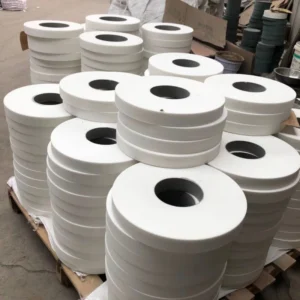
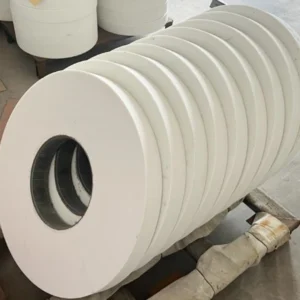
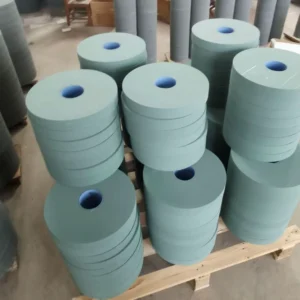
HTF Materials offers customized vitrified crankshaft grinding wheels suitable for AMC, Berco, AZ, Landis, and other crankshaft grinding machines.
👉 Related Product: Crankshaft Grinding Wheel
Step 5: Dress the Grinding Wheel
Wheel dressing restores the wheel profile and exposes fresh abrasive grains.
Benefits include:
- Sharper cutting action
- Improved surface finish
- Reduced grinding temperature
- Better dimensional consistency
Proper dressing intervals depend on the workpiece material and production volume.
Step 6: Perform Rough Grinding
The first grinding pass removes the majority of the worn material.
During rough grinding:
- Use moderate feed rates
- Control grinding pressure
- Apply sufficient coolant
- Monitor grinding temperature
This stage prepares the crankshaft for precision finishing.
Step 7: Finish Grinding
Finish grinding removes a very small amount of material to achieve the final dimensions.
The objective is to obtain:
- Excellent roundness
- Accurate journal diameter
- Fine surface finish
- Tight dimensional tolerances
Precision at this stage directly affects bearing life and engine reliability.
Step 8: Polish and Inspect
After grinding, polish the journals if required.
Then inspect:
- Diameter
- Roundness
- Surface roughness
- Runout
- Balance
Only after passing inspection should the crankshaft be reassembled into the engine.
Common Problems During Crankshaft Grinding
| Problem | Possible Cause | Solution |
|---|---|---|
| Grinding burn | Incorrect wheel selection | Choose a softer wheel and improve coolant flow |
| Poor surface finish | Worn grinding wheel | Dress or replace the wheel |
| Chatter marks | Machine vibration | Improve machine rigidity and wheel balance |
| Wheel loading | Incorrect abrasive | Select a more suitable abrasive type |
| Rapid wheel wear | Excessive grinding pressure | Reduce feed rate and optimize wheel hardness |
Tips for Better Grinding Performance
- Select the correct abrasive for the crankshaft material.
- Dress the grinding wheel regularly.
- Maintain adequate coolant flow.
- Balance the grinding wheel before operation.
- Monitor wheel wear throughout production.
- Follow the grinding machine manufacturer’s recommendations.
Why the Right Grinding Wheel Matters
The grinding wheel directly influences machining efficiency, dimensional accuracy, and production cost.
A high-quality vitrified crankshaft grinding wheel offers:
- High material removal rates
- Excellent profile retention
- Stable grinding performance
- Reduced dressing frequency
- Longer service life
For professional engine rebuilding workshops and crankshaft manufacturers, investing in the right grinding wheel can significantly improve productivity and finished part quality.
Conclusion
A proper crankshaft grinding process combines accurate inspection, correct machine setup, suitable grinding parameters, and a high-performance grinding wheel. By following each step carefully, manufacturers and engine rebuilding workshops can achieve excellent precision, superior surface quality, and longer crankshaft service life.
If you are looking for custom crankshaft grinding wheels for engine rebuilding or industrial production, HTF Materials provides vitrified grinding wheels designed for high precision, long service life, and stable performance across various crankshaft grinding machines.
FAQ
What grit is best for crankshaft grinding?
Common grit sizes range from 36 to 80, depending on the workpiece material and required surface finish.
Which abrasive is suitable for crankshaft grinding?
Brown Aluminum Oxide (A), White Aluminum Oxide (WA), and Pink Aluminum Oxide (PA) are commonly used for different crankshaft materials.
How often should a crankshaft grinding wheel be dressed?
The dressing frequency depends on the workpiece material, grinding conditions, and production volume. Regular dressing helps maintain wheel sharpness and dimensional accuracy.
Can vitrified grinding wheels be used for crankshaft grinding?
Yes. Vitrified bond grinding wheels are widely used because they offer high rigidity, excellent profile retention, and consistent grinding performance.