Introduction
Choosing the right bench grinding wheels plays a critical role in grinding efficiency, surface quality, and operator safety. Bench grinders are widely used in workshops, maintenance facilities, and fabrication plants for sharpening, deburring, and general metal grinding.
However, different grinding tasks require different wheel specifications. Therefore, understanding how to select suitable bench grinding wheels helps improve productivity while extending wheel service life.
In this guide, we explain the key factors to consider when choosing bench grinding wheels and how to match the wheel to your application.
What Are Bench Grinding Wheels?
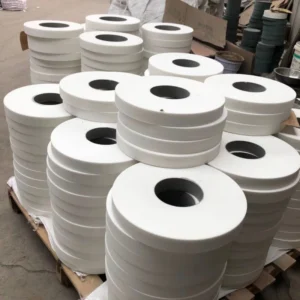
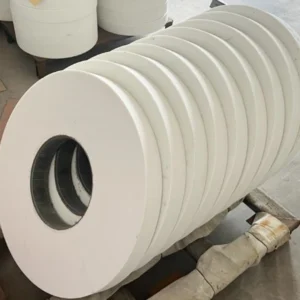
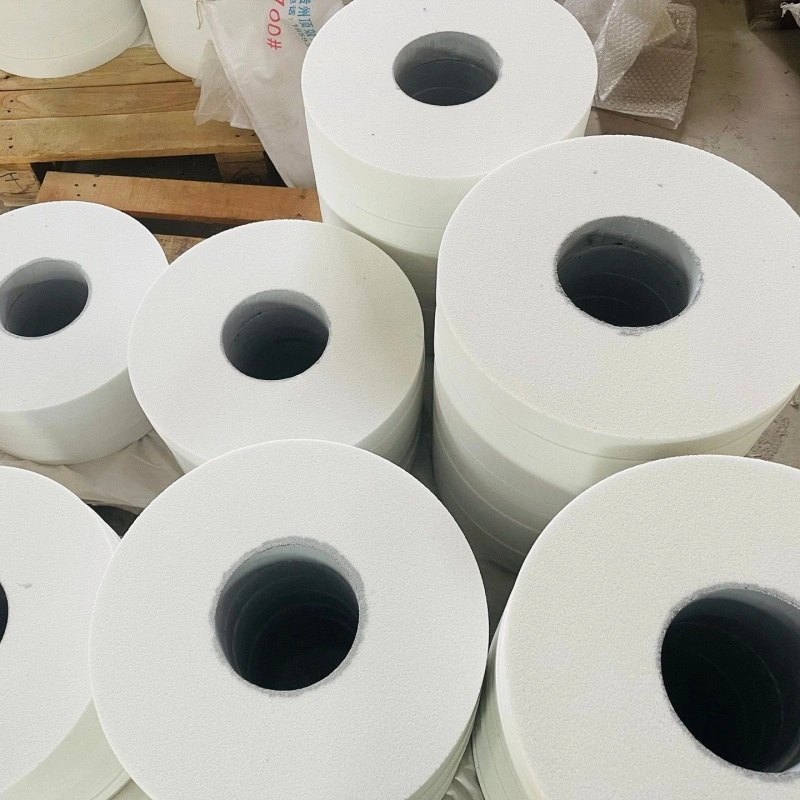
Bench grinding wheels are abrasive wheels mounted on bench grinders and designed for general-purpose grinding operations. Operators commonly use them for:
- Sharpening tools
- Removing burrs
- Cleaning welds
- Shaping metal components
Because bench grinders operate at fixed speeds, selecting the correct grinding wheel specification is essential for safe and efficient operation.
Why Choosing the Right Bench Grinding Wheels Matters
Using improper bench grinding wheels can lead to poor grinding results, excessive wheel wear, or even safety risks. On the other hand, properly selected wheels provide:
- Stable grinding performance
- Improved surface finish
- Reduced vibration
- Longer wheel life
As a result, manufacturers and workshops prioritize correct wheel selection for consistent grinding quality.
Key Factors to Consider When Choosing Bench Grinding Wheels
1. Workpiece Material
First, identify the material you plan to grind. Different abrasives perform best on different materials.
- Carbon steel & alloy steel: Aluminum oxide bench grinding wheels
- Tool steel: White aluminum oxide grinding wheels
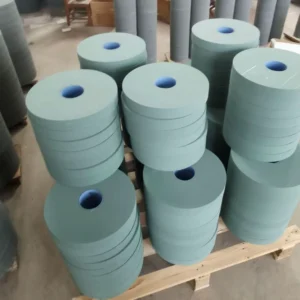
- Non-ferrous metals: Silicon carbide grinding wheels
Choosing the correct abrasive ensures efficient cutting and prevents glazing or overheating.
2. Grinding Wheel Grit Size
Next, consider the grit size, which determines the wheel’s cutting aggressiveness.
- Coarse grit (24–36): Rapid material removal
- Medium grit (46–60): General-purpose grinding
- Fine grit (80–120): Finishing and sharpening
Therefore, workshops often use two bench grinding wheels on one grinder: one coarse and one fine.
3. Grinding Wheel Grade (Hardness)
Wheel grade refers to how firmly the bond holds the abrasive grains.
- Soft grade: Suitable for hard materials
- Hard grade: Suitable for softer materials
If the wheel is too hard, it may glaze. Conversely, a wheel that is too soft wears too quickly. Selecting the correct grade balances cutting efficiency and wheel life.
4. Bond Type
Most bench grinding wheels use vitrified bonds, which provide:
- High shape stability
- Good heat resistance
- Easy dressing
Because of these advantages, vitrified bench grinding wheels remain the most common choice for industrial and workshop use.
5. Wheel Size and Speed Compatibility
Always match the wheel diameter, thickness, and bore size to your bench grinder specifications. In addition, ensure the wheel’s maximum operating speed exceeds the grinder’s RPM.
Correct size and speed matching improves safety and prevents wheel failure.
Common Applications of Bench Grinding Wheels
Bench grinding wheels support a wide range of workshop tasks, including:
- Tool sharpening
- Deburring metal edges
- Weld cleanup
- General metal shaping
- Maintenance and repair work
Because of their versatility, bench grinding wheels remain essential tools in industrial environments.
How to Improve Grinding Performance on a Bench Grinder
Even with the correct wheel, proper usage improves grinding results.
- Dress the grinding wheel regularly
- Avoid excessive pressure during grinding
- Maintain correct tool rest clearance
- Use proper personal protective equipment
These practices help maintain consistent grinding performance and extend wheel life.
Choosing a Reliable Bench Grinding Wheel Manufacturer
Selecting a trusted grinding wheel manufacturer ensures consistent quality and stable performance. Professional manufacturers control raw materials, bonding processes, and final inspection to meet industrial standards.
As a result, high-quality bench grinding wheels provide safer operation and predictable grinding results.
Conclusion
Choosing the right bench grinding wheels depends on material type, grit size, wheel grade, bond type, and machine compatibility. By understanding these factors, workshops and manufacturers can achieve efficient grinding, better surface finish, and longer wheel life.
Proper wheel selection not only improves productivity but also enhances safety in daily grinding operations.