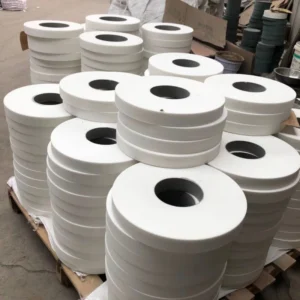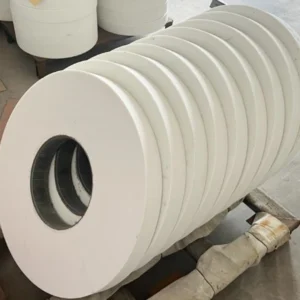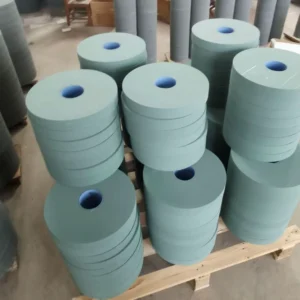
Vitrified grinding wheels are essential tools for heavy-duty industrial applications that require precision, durability, and consistent performance. Thanks to their strong bonding structure and excellent thermal stability, these grinding wheels are widely used in machining, automotive, and metalworking industries.
What Are Vitrified Grinding Wheels?
Vitrified grinding wheels are abrasive tools bonded with ceramic materials through high-temperature firing. As a result, they form a rigid and porous structure that provides excellent cutting ability and heat resistance.
Unlike resin-bond wheels, vitrified wheels maintain their shape under high pressure. Therefore, they are ideal for applications that demand accuracy and stability over long periods.
In industrial workshops, vitrified wheels are often used together with CNC grinding wheels and surface grinding wheels to achieve different machining goals.
Key Advantages of Vitrified Grinding Wheels
1. High Strength and Rigidity
First of all, vitrified grinding wheels offer superior structural strength. They resist deformation even under heavy loads, which ensures consistent grinding results.
Moreover, their rigid bond allows precise dimensional control, especially in high-precision machining.
2. Excellent Heat Resistance
During grinding operations, heat generation is inevitable. However, vitrified wheels withstand high temperatures without losing performance.
Consequently, they reduce the risk of thermal damage to the workpiece and improve overall efficiency.
3. Porous Structure for Better Cooling
Another important advantage is their porous structure. This design allows better coolant flow and chip removal.
As a result, grinding becomes smoother, and wheel clogging is minimized. In combination with cylindrical grinding wheels, this feature enhances productivity in continuous operations.
4. Long Service Life
Because of their durability, vitrified grinding wheels have a longer lifespan compared to many alternatives. Therefore, they reduce replacement frequency and lower operational costs.
Additionally, they maintain consistent performance throughout their service life, which is critical in industrial production.
Common Applications
Vitrified grinding wheels are widely used in heavy-duty industries, including:
- Automotive components (crankshafts, camshafts)
- Bearing and gear manufacturing
- Steel mills and foundries
- Tool and die production
- Precision machining workshops
In many cases, manufacturers combine vitrified wheels with crankshaft grinding wheels and camshaft grinding wheels for specialized applications.
Why Choose Vitrified Grinding Wheels for Heavy-Duty Use?
Heavy-duty industrial environments demand tools that can handle high pressure, continuous operation, and strict tolerances. Vitrified grinding wheels meet these requirements due to their:
- High mechanical strength
- Stable performance under heat
- Efficient material removal rate
- Excellent dimensional accuracy
Therefore, they are a reliable solution for demanding grinding tasks where consistency and efficiency are critical.
Conclusion
In summary, vitrified grinding wheels are the preferred choice for heavy-duty industrial applications. They offer high strength, excellent heat resistance, and long service life, making them ideal for precision and large-scale grinding operations.
For industries that require dependable performance, combining vitrified grinding wheels with CNC grinding wheels, surface grinding wheels, and cylindrical grinding wheels ensures optimal results and improved productivity.