Introduction
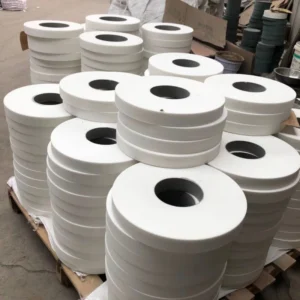
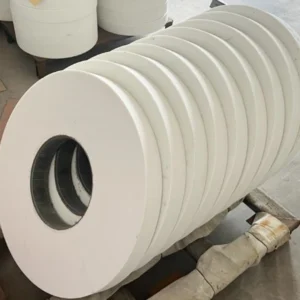
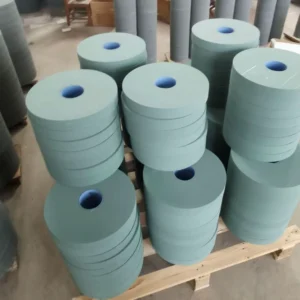
Grinding wheels are essential tools in precision machining, especially in applications like crankshaft, camshaft, and cylinder head grinding. However, many workshops face a common problem: the grinding wheel wears too fast.
This issue not only increases production costs but also reduces machining efficiency and consistency. So, why does this happen—and more importantly, how can you fix it?
In this article, we will explain the main reasons and provide practical solutions to extend your grinding wheel life.
1. Incorrect Wheel Hardness
First of all, wheel hardness plays a critical role. If you choose a grinding wheel that is too soft, it will wear out quickly because the abrasive grains break away too easily during operation.
On the other hand, a wheel that is too hard may cause burning or poor cutting performance.
👉 Solution:
Select the appropriate hardness based on your material. For example:
- Softer wheels → for hard materials
- Harder wheels → for softer materials
2. Improper Grit Size
Another key factor is grit size. If the grit is too fine, the wheel may clog easily and lose cutting ability, which leads to faster wear due to friction.
Meanwhile, coarse grit removes material faster but may reduce surface finish quality.
👉 Solution:
Choose a balanced grit size depending on your application. For crankshaft grinding, medium grit is often the best choice.
3. Excessive Grinding Pressure
In many cases, operators apply too much pressure to speed up the process. However, this actually accelerates wheel wear and generates excessive heat.
As a result, the grinding wheel loses its structure faster.
👉 Solution:
Use consistent and moderate pressure. Let the wheel do the cutting instead of forcing it.
4. Incorrect Wheel Speed
Wheel speed directly affects performance. If the speed is too high, it increases heat and wear. Conversely, if it is too low, the wheel may not cut efficiently.
👉 Solution:
Always operate within the recommended speed range. Adjust according to the wheel diameter and machine specifications.
5. Poor Dressing Practices
Dressing keeps the grinding wheel sharp and effective. However, improper dressing can damage the wheel structure or remove too much material.
👉 Solution:
- Dress the wheel regularly
- Use the correct dressing tool
- Avoid excessive dressing depth
6. Inadequate Coolant Use
Without proper cooling, heat builds up quickly. This not only damages the workpiece but also reduces grinding wheel life significantly.
👉 Solution:
Ensure sufficient coolant flow and proper positioning to reduce heat and friction.
7. Low-Quality Grinding Wheel
Finally, the quality of the grinding wheel itself matters. Low-quality wheels often have inconsistent bonding and abrasive distribution, which leads to premature wear.
👉 Solution:
Choose a reliable supplier that offers:
- Stable bonding
- High-quality abrasive materials
- Custom specifications
Conclusion
In summary, grinding wheel wear happens due to multiple factors, including hardness, grit size, pressure, speed, dressing, coolant, and product quality.
However, by optimizing these factors, you can significantly extend grinding wheel life, improve efficiency, and reduce costs.
Call to Action
If you are experiencing fast grinding wheel wear, we can help.
Feel free to contact us for recommendations or a quotation.
We supply grinding wheels for:
Custom sizes, grit, and hardness are available based on your application.
👉More details, follow us on Pinterest.