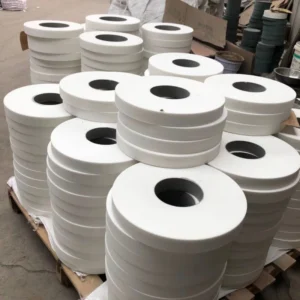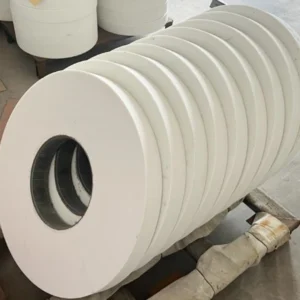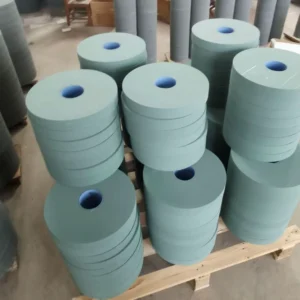
Surface finish is one of the most important quality indicators in precision grinding. Whether you are grinding crankshafts, camshafts, cylinder heads, rolls, or precision machine parts, a smoother surface finish improves dimensional accuracy, reduces friction, increases component life, and minimizes secondary finishing operations.
However, poor grinding surface finish is a common issue in manufacturing. Scratches, chatter marks, burning, excessive roughness, and vibration can all reduce product quality and increase production costs.
In this guide, we’ll explain the main causes of poor surface finish and share practical methods to achieve a smoother grinding result.
Why Does Surface Finish Matter?
A high-quality grinding surface provides several advantages:
- Higher dimensional accuracy
- Improved wear resistance
- Lower friction between mating parts
- Better sealing performance
- Longer service life
- Reduced polishing or finishing costs
For industries such as automotive engine rebuilding, aerospace, bearing manufacturing, and precision machining, grinding surface quality directly affects final product performance.
What Causes Poor Grinding Surface Finish?
Before solving the problem, it’s important to identify the cause.
Common reasons include:
- Incorrect grinding wheel selection
- Wheel loading or glazing
- Improper wheel dressing
- Wrong grinding parameters
- Insufficient coolant
- Machine vibration
- Workpiece instability
- Worn spindle bearings
Often, surface finish problems result from several factors occurring simultaneously.
1. Choose the Right Grinding Wheel
The grinding wheel has the greatest influence on surface finish.
Consider these factors:
Abrasive Type
Different materials require different abrasives.
- Aluminum Oxide (A) – Carbon steel, alloy steel
- White Aluminum Oxide (WA) – Hardened steel, tool steel
- Silicon Carbide (GC/C) – Cast iron, carbide, non-ferrous metals
- CBN – Hardened ferrous materials
- Diamond – Carbide and ceramics
Using the wrong abrasive often causes scratching or excessive wheel wear.
Grit Size
General guideline:
| Grit Size | Surface Finish |
|---|---|
| 24–46 | Rough grinding |
| 60–80 | General precision grinding |
| 100–180 | Fine grinding |
| 220+ | Super finishing |
A finer grit usually produces a smoother finish but removes material more slowly.
Wheel Hardness
Wheel hardness should match the workpiece.
- Soft wheel → hard materials
- Hard wheel → soft materials
An incorrect hardness can lead to wheel glazing or rapid wear.
Bond Type
For precision applications, vitrified bonded grinding wheels offer:
- Excellent dimensional stability
- Superior cutting performance
- Better coolant penetration
- Consistent surface finish
2. Dress the Grinding Wheel Properly
Even the best grinding wheel cannot perform well without proper dressing.
Wheel dressing:
- Removes loaded chips
- Restores wheel sharpness
- Corrects wheel geometry
- Opens abrasive pores
Poor dressing often causes:
- Grinding burn
- Chatter
- High roughness
- Increased grinding force
Dress the wheel regularly according to production volume.
3. Optimize Grinding Parameters
Grinding parameters greatly affect the finished surface.
Key parameters include:
Wheel Speed
Higher wheel speed generally improves surface finish, provided the wheel specification allows it.
Feed Rate
Reducing feed rate usually results in:
- Lower roughness
- Fewer scratches
- Better dimensional control
However, productivity decreases.
Depth of Cut
Heavy cuts increase:
- Grinding force
- Heat generation
- Vibration
For finishing passes, use a shallow depth of cut.
4. Use Adequate Coolant
Grinding generates significant heat.
Without proper cooling, you may experience:
- Surface burns
- Thermal cracks
- Workpiece distortion
- Poor finish
Effective coolant delivery should:
- Reach the grinding zone directly
- Remove chips efficiently
- Reduce grinding temperature
- Lubricate the contact area
Maintain coolant concentration and filtration for consistent performance.
5. Prevent Grinding Wheel Loading
Wheel loading occurs when chips clog the abrasive surface.
Symptoms include:
- Glossy wheel surface
- Increased grinding force
- Excessive heat
- Poor finish
Solutions:
- Dress the wheel
- Select a more open wheel structure
- Improve coolant flow
- Reduce feed pressure
6. Minimize Machine Vibration
Machine vibration creates visible chatter marks on the workpiece.
Check for:
- Loose spindle
- Worn bearings
- Unbalanced wheel
- Poor workholding
- Machine foundation problems
Wheel balancing is especially important for large grinding wheels used in crankshaft and roll grinding.
7. Secure the Workpiece Properly
An unstable workpiece can ruin surface finish regardless of wheel quality.
Ensure:
- Proper clamping
- Correct alignment
- Stable fixtures
- Minimal workpiece deflection
This is especially important when grinding long shafts and crankshafts.
8. Select the Correct Grinding Wheel Structure
Wheel structure refers to the spacing between abrasive grains.
Dense Structure
Advantages:
- Better finish
- Higher wheel strength
Applications:
- Fine finishing
Open Structure
Advantages:
- Better chip clearance
- Lower grinding temperature
Applications:
- Heavy stock removal
- Soft materials
Choosing the appropriate structure helps maintain both efficiency and surface quality.
9. Reduce Heat Generation
Heat is one of the biggest enemies of surface finish.
To minimize thermal damage:
- Use sharp wheels
- Dress frequently
- Reduce cutting depth
- Apply sufficient coolant
- Avoid excessive wheel pressure
Lower grinding temperatures lead to more consistent finishes and longer wheel life.
10. Match the Wheel to the Application
Different grinding operations require different wheel specifications.
Examples include:
| Application | Recommended Wheel |
|---|---|
| Crankshaft Grinding | Vitrified Aluminum Oxide |
| Camshaft Grinding | White Aluminum Oxide |
| Cylinder Head Grinding | Silicon Carbide |
| Roll Grinding | Aluminum Oxide or CBN |
| Tool Grinding | White Aluminum Oxide or CBN |
Selecting the correct wheel specification significantly improves both surface finish and production efficiency.
Common Grinding Surface Defects
| Problem | Possible Cause | Solution |
|---|---|---|
| Burn marks | Excessive heat | Improve coolant, reduce feed |
| Chatter marks | Machine vibration | Balance wheel, inspect spindle |
| Scratches | Damaged wheel | Dress or replace wheel |
| Rough finish | Coarse grit | Use finer grit |
| Wheel loading | Wrong wheel structure | Dress wheel, improve coolant |
Best Practices for Better Grinding Surface Finish
For consistent, high-quality grinding results:
- Select the correct grinding wheel specification.
- Use an appropriate grit size for the required finish.
- Dress the wheel regularly.
- Optimize feed rate and depth of cut.
- Deliver coolant directly into the grinding zone.
- Balance large grinding wheels before use.
- Minimize machine vibration.
- Keep the workpiece rigid and properly aligned.
- Inspect wheel wear throughout production.
- Match wheel hardness and structure to the workpiece material.
Following these practices can significantly improve surface finish while extending wheel life and reducing production costs.
Conclusion
Improving grinding surface finish is not about changing a single parameter—it requires optimizing the entire grinding process. The right combination of grinding wheel selection, dressing, machine condition, coolant application, and grinding parameters can dramatically reduce roughness, eliminate chatter, and produce superior machining results.
At HTF Materials, we manufacture high-performance vitrified grinding wheels for crankshaft grinding, camshaft grinding, cylinder head resurfacing, and other precision grinding applications. With customized wheel specifications for different materials and machines, we help customers achieve longer wheel life, improved surface finish, and higher grinding efficiency.
If you’re looking to improve your grinding performance, our technical team is ready to help you choose the right grinding wheel for your application.