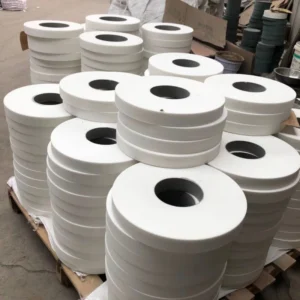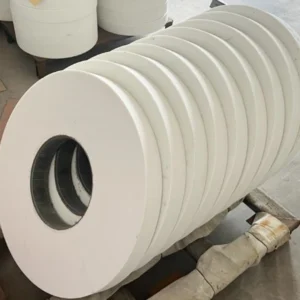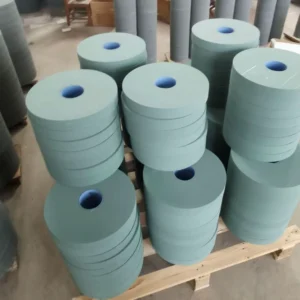
Choosing the right grinding wheel is one of the most important factors in achieving high-quality crankshaft grinding results. Among the most commonly used abrasives, Brown Aluminum Oxide (A) and White Aluminum Oxide (WA) are two popular options for vitrified crankshaft grinding wheels.
Many customers ask us:
- Which abrasive is better for crankshaft grinding?
- What is the difference between Brown Aluminum Oxide and White Aluminum Oxide?
- Does White Aluminum Oxide produce a better surface finish?
- Which grinding wheel lasts longer?
The answer depends on your crankshaft material, grinding conditions, and production requirements. In this article, we’ll explain the key differences and help you choose the right grinding wheel for your application.
What Is Brown Aluminum Oxide?
Brown Aluminum Oxide (A) is one of the most widely used abrasives in the grinding industry. It is known for its excellent toughness, durability, and stable grinding performance.
Main Characteristics
- High toughness
- Good impact resistance
- Long wheel life
- Cost-effective
- Suitable for continuous production
Because of its durability, Brown Aluminum Oxide is commonly used for general crankshaft grinding and heavy-duty machining.
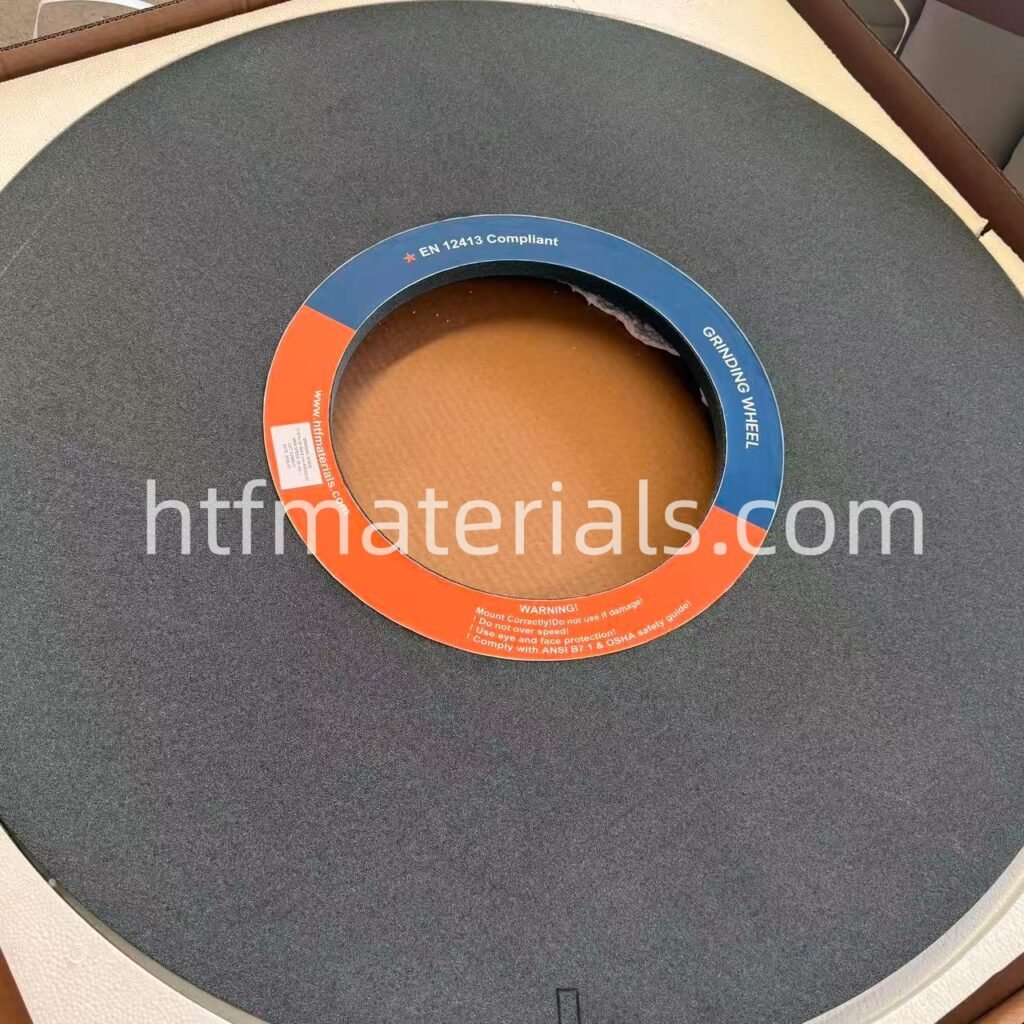
What Is White Aluminum Oxide?
White Aluminum Oxide (WA) is manufactured from high-purity alumina and has a sharper cutting edge than Brown Aluminum Oxide.
Its excellent self-sharpening ability allows fresh abrasive grains to break away during grinding, exposing new cutting edges.
Main Characteristics
- Higher purity
- Sharper cutting action
- Better self-sharpening
- Lower grinding temperature
- Better surface finish
White Aluminum Oxide is widely used when precision and surface quality are priorities.
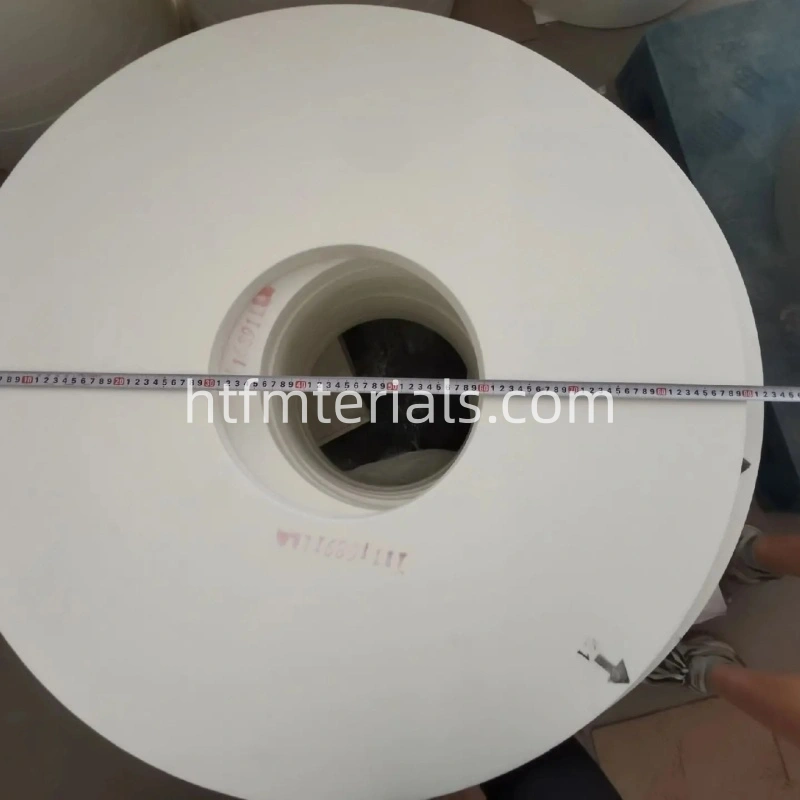
Brown Aluminum Oxide vs White Aluminum Oxide
| Feature | Brown Aluminum Oxide | White Aluminum Oxide |
|---|---|---|
| Toughness | Excellent | Good |
| Cutting Ability | Good | Excellent |
| Self-Sharpening | Good | Excellent |
| Grinding Heat | Higher | Lower |
| Surface Finish | Good | Better |
| Wheel Life | Longer | Slightly Shorter |
| Cost | Lower | Higher |
Which One Produces a Better Surface Finish?
For customers who require excellent surface quality, White Aluminum Oxide generally provides a finer finish.
Because WA cuts more aggressively and generates less heat, it reduces the risk of grinding burn on hardened crankshafts.
For high-precision engine rebuilding, many workshops prefer White Aluminum Oxide.
Which Grinding Wheel Lasts Longer?
One of the biggest differences is wheel life.
Brown Aluminum Oxide is tougher and wears more slowly, giving it a longer service life under normal grinding conditions.
White Aluminum Oxide continuously fractures to expose new sharp cutting edges. This self-sharpening action improves cutting performance but usually results in faster wheel wear.
If your priority is maximum wheel life, Brown Aluminum Oxide is often the better choice.
Does White Aluminum Oxide Damage the Crankshaft?
No.
When the correct grinding wheel specification is selected, both Brown Aluminum Oxide and White Aluminum Oxide are safe for crankshaft grinding.
The difference is not whether they damage the crankshaft, but how they perform during grinding.
White Aluminum Oxide generally produces lower grinding temperatures and a finer surface finish, while Brown Aluminum Oxide offers greater durability and stable performance.
Which Abrasive Should You Choose?
There is no single “best” grinding wheel for every application.
Brown Aluminum Oxide is recommended for:
- General crankshaft grinding
- Heavy-duty machining
- Long production runs
- Customers seeking longer wheel life
- Cost-effective grinding
White Aluminum Oxide is recommended for:
- Hardened steel crankshafts
- Precision grinding
- Better surface finish
- Lower grinding temperatures
- High-accuracy engine rebuilding
Can the Grit Size Be the Same?
Yes.
Many customers believe that changing from Brown Aluminum Oxide to White Aluminum Oxide also changes the grit size.
In fact, grit size is independent of the abrasive material.
For example, both abrasives can be manufactured in common grit sizes such as:
- 46#
- 54#
- 60#
The choice of grit depends on the grinding application rather than the abrasive type.
HTF Materials Recommendation
At HTF Materials, we manufacture vitrified grinding wheels using both Brown Aluminum Oxide and White Aluminum Oxide.
For most crankshaft grinding applications, Brown Aluminum Oxide provides excellent durability and stable performance.
For customers grinding hardened steel crankshafts or requiring superior surface finish, White Aluminum Oxide is often the preferred choice.
If you are unsure which abrasive is suitable for your machine or workpiece, our technical team can recommend the appropriate wheel specification based on your grinding conditions.
Conclusion
Both Brown Aluminum Oxide and White Aluminum Oxide are excellent abrasives for crankshaft grinding.
Choose Brown Aluminum Oxide if you value durability, long wheel life, and cost efficiency.
Choose White Aluminum Oxide if you require sharper cutting, lower grinding temperatures, and a finer surface finish.
Selecting the correct grinding wheel is not simply about choosing Brown or White—it also involves grit size, bond, hardness, wheel structure, and the material of the crankshaft being ground.
Need help selecting the right crankshaft grinding wheel?
Contact HTF Materials today for professional recommendations and customized grinding wheel solutions for your crankshaft grinding applications.
Follow HTF Materials on LinkedIn for expert tips, grinding wheel solutions, and the latest updates from the engine reconditioning industry.