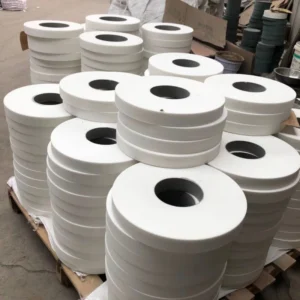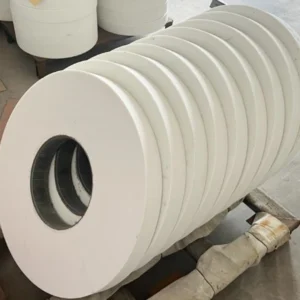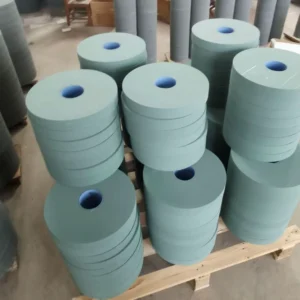
Grinding wheels are precision tools that require proper storage to maintain their performance and safety. Even a high-quality vitrified grinding wheel can become damaged if it is exposed to moisture, excessive heat, or improper handling.
Whether you use grinding wheels for crankshaft grinding, camshaft grinding, cylinder head resurfacing, or general metalworking, following correct storage practices helps prevent wheel failure, improves grinding accuracy, and extends service life.
In this guide, we’ll explain how to store grinding wheels safely and what mistakes should always be avoided.
Why Proper Grinding Wheel Storage Matters
Grinding wheels are manufactured with carefully balanced abrasive grains and bonding materials. Improper storage may lead to:
- Cracks or hidden structural damage
- Moisture absorption
- Warping or deformation
- Reduced grinding performance
- Increased risk of wheel breakage during operation
A damaged grinding wheel not only reduces machining quality but also creates serious safety hazards.
1. Store Grinding Wheels in a Dry Environment
Humidity is one of the biggest enemies of vitrified grinding wheels.
Recommended storage conditions
- Temperature: 15–30°C (59–86°F)
- Relative humidity: 40–70%
- Keep away from water and steam
- Avoid direct sunlight
If grinding wheels absorb excessive moisture, the bond strength may change, affecting grinding performance.
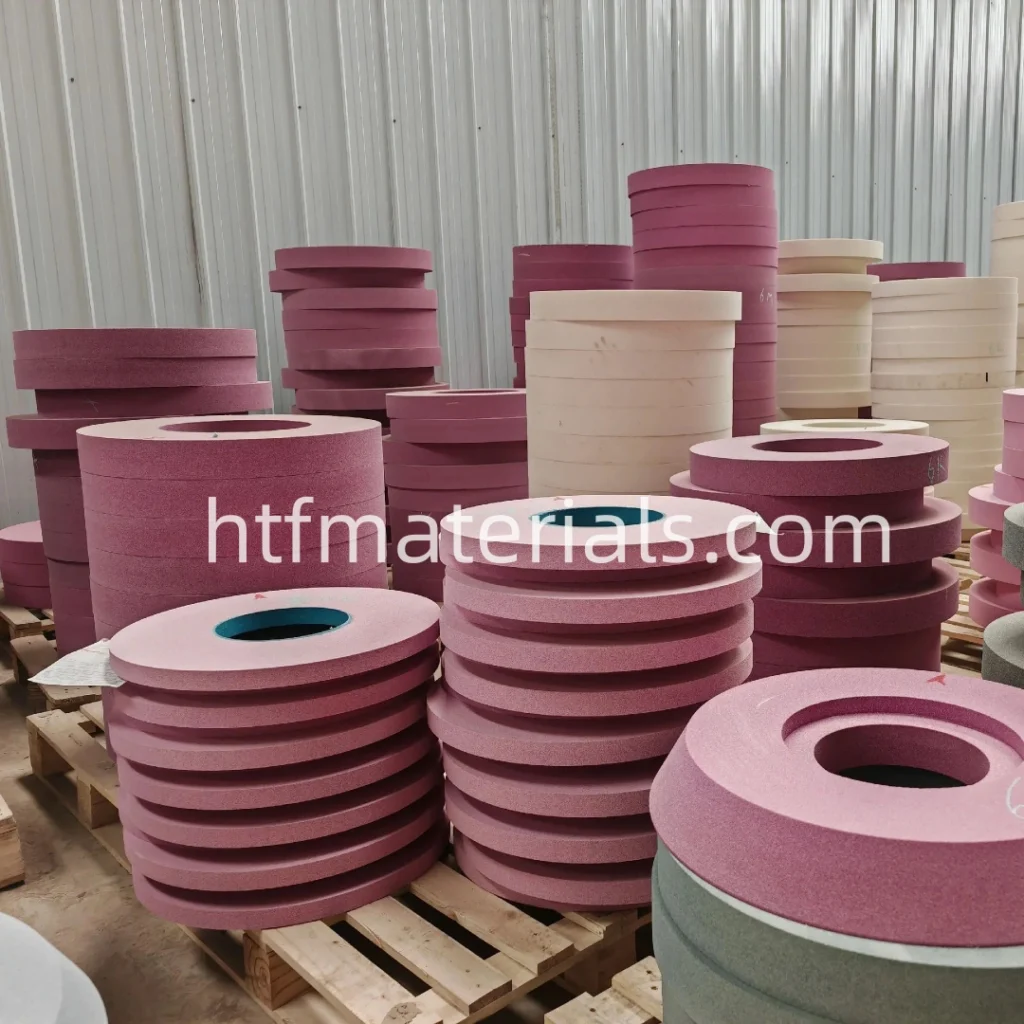
2. Keep Wheels on Proper Storage Racks
Never place grinding wheels directly on the floor.
Instead:
- Use dedicated storage racks
- Keep shelves clean and level
- Prevent wheels from rolling
- Separate different wheel sizes
Large crankshaft grinding wheels should always be stored vertically on suitable supports, while smaller wheels may be stored flat if properly stacked.
3. Protect Wheels from Impact
Grinding wheels are brittle products.
Avoid:
- Dropping wheels
- Throwing packages
- Knocking wheels against metal surfaces
- Stacking heavy objects on top
Even small impacts may create invisible cracks that become dangerous during high-speed grinding.
4. Keep Different Grinding Wheels Organized
Different applications require different abrasive materials.
Examples include:
- White Aluminum Oxide (WA)
- Brown Aluminum Oxide (A)
- Pink Aluminum Oxide (PA)
- Green Silicon Carbide (GC)
Store each type separately and clearly label:
- Wheel dimensions
- Grit size
- Grade
- Bond type
- Maximum operating speed
Proper organization reduces the chance of using the wrong wheel.
5. Follow the First-In, First-Out (FIFO) Principle
If your workshop stocks many grinding wheels, always use older inventory first.
Benefits include:
- Better inventory control
- Reduced long-term storage
- Consistent grinding performance
Mark receiving dates on each package for easy identification.
6. Inspect Wheels Before Use
Even correctly stored wheels should be inspected before installation.
Check for:
- Visible cracks
- Edge damage
- Moisture stains
- Deformation
- Damaged labels
For vitrified wheels, perform a ring test before mounting whenever applicable. A clear metallic sound usually indicates the wheel is free from cracks, while a dull sound may indicate damage.
Never use a wheel that fails inspection.
7. Keep Original Packaging Whenever Possible
Manufacturers design packaging to protect grinding wheels during transportation and storage.
Leave wheels in their original cartons until they are ready for use.
The packaging helps protect against:
- Dust
- Moisture
- Accidental impact
- Surface contamination
8. Store Large Grinding Wheels Correctly
Large crankshaft and camshaft grinding wheels require additional care.
Recommended practices:
- Store vertically on dedicated supports
- Avoid leaning wheels at sharp angles
- Use protective spacers if multiple wheels are stored together
- Prevent long-term uneven pressure
This helps maintain wheel geometry and balance.
Common Storage Mistakes
Avoid these common errors:
- Storing wheels outdoors
- Placing wheels near heat sources
- Mixing different wheel specifications
- Stacking heavy materials on wheels
- Using damaged or expired wheels
- Ignoring regular inspections
Proper storage takes only a little effort but greatly improves safety and wheel life.
Additional Tips for Workshops
A well-organized grinding wheel storage area should include:
- Stable storage racks
- Good ventilation
- Low humidity
- Clear product labels
- Routine inspection records
- Safe handling procedures for employees
Training operators on proper wheel handling is just as important as choosing the right grinding wheel.
Conclusion
Proper storage is essential for maintaining grinding wheel performance and workplace safety. By storing wheels in a dry environment, protecting them from impact, organizing inventory, and performing regular inspections, manufacturers and engine rebuilding workshops can significantly extend wheel life while reducing the risk of accidents.
Whether you use vitrified grinding wheels for crankshaft grinding, camshaft grinding, cylinder head resurfacing, or surface grinding, good storage practices help ensure consistent grinding quality and reliable performance.
If you’re looking for high-quality vitrified grinding wheels for engine reconditioning or industrial grinding applications, feel free to contact us. Our experienced team can recommend the most suitable grinding wheel based on your machine model and application.