Hardened steel is widely used in tooling, molds, bearings, gears, crankshafts, and precision machine parts because of its excellent wear resistance and strength. However, these same properties also make it one of the most challenging materials to grind.
Choosing the right grinding wheel for hardened steel can significantly improve surface finish, dimensional accuracy, wheel life, and production efficiency.
In this guide, we’ll explain how to select the best grinding wheel based on abrasive type, grit size, bond, wheel hardness, and grinding application.
Why Grinding Wheel Selection Matters
Grinding hardened steel requires removing material without generating excessive heat.
An unsuitable grinding wheel may cause:
- Grinding burns
- Surface cracks
- Poor surface finish
- Rapid wheel wear
- Low grinding efficiency
- Frequent dressing
A properly selected wheel offers:
- Longer wheel life
- Higher stock removal
- Better dimensional accuracy
- Lower grinding temperature
- Consistent surface quality
What Is Hardened Steel?
Hardened steel generally refers to steel that has undergone heat treatment to achieve hardness between 45 HRC and 65 HRC.
Common hardened steel applications include:
- Tool steel
- Bearing steel
- Die steel
- Alloy steel
- High-speed steel (HSS)
- Hardened shafts
- Gears
- Engine components
Different hardness levels require different grinding wheel specifications.
1. Choose the Right Abrasive
The abrasive material is the most important factor when grinding hardened steel.
| Abrasive | Suitable for Hardened Steel | Features |
|---|---|---|
| White Aluminum Oxide (WA) | ★★★★★ | Sharp cutting, low heat generation, ideal for hardened tool steel |
| Brown Aluminum Oxide (A) | ★★★★☆ | Durable, economical, suitable for general hardened steel |
| Ceramic Aluminum Oxide (SG) | ★★★★★ | Excellent for high-efficiency precision grinding |
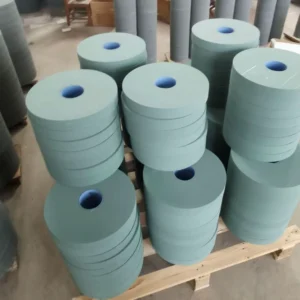
| Green Silicon Carbide (GC) | ★★☆☆☆ | Better for carbide, glass, and ceramics rather than steel |
Recommended Choice
For most hardened steel applications, White Aluminum Oxide (WA) provides the best balance of cutting performance and surface finish.
For high-volume production, ceramic abrasives such as SG can further improve wheel life and productivity.
2. Select the Proper Grit
The grit determines cutting speed and surface finish.
| Grit Size | Application |
|---|---|
| 24–36 | Heavy stock removal |
| 46–60 | General precision grinding |
| 80–120 | Fine finishing |
| 150+ | Super finishing |
For hardened steel, 46–60 grit is commonly used because it offers a good balance between material removal and surface quality.
3. Select the Correct Wheel Grade
Wheel grade refers to how firmly the bond holds the abrasive grains.
General recommendation:
- Soft grade (H–K): Very hard materials
- Medium grade (L–N): Most hardened steels
- Hard grade (O–R): Softer steels
Since hardened steel is difficult to cut, a slightly softer wheel allows dull abrasive grains to release and expose fresh sharp grains.
4. Choose the Right Bond Type
Bond selection directly affects wheel performance.
Vitrified Bond
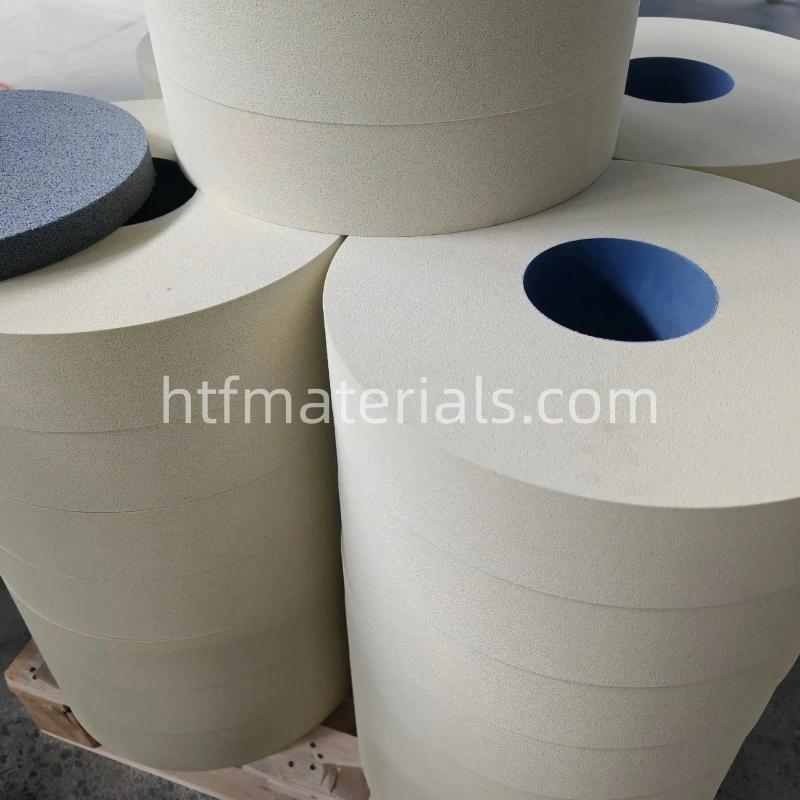
Vitrified grinding wheels are the preferred choice for hardened steel because they provide:
- Excellent shape retention
- High grinding precision
- Good porosity for cooling
- Easy dressing
- Long service life
They are widely used for:
- Surface grinding
- Cylindrical grinding
- Internal grinding
- Tool grinding
5. Match the Grinding Application
Different grinding operations require different wheel specifications.
Surface Grinding
Surface grinding typically uses vitrified aluminum oxide wheels with medium grit sizes for excellent flatness and finish.
Typical applications include:
- Machine components
- Mold plates
- Tool steel
- Precision blocks
Cylindrical Grinding
External cylindrical grinding requires wheels with excellent balance and wear resistance.
Suitable for:
- Shafts
- Rollers
- Bearings
- Hydraulic rods
Internal Grinding
Internal grinding wheels usually feature:
- Fine grit
- Softer grade
- High cutting ability
These wheels are commonly used for precision bores and bearing races.
Recommended Grinding Wheel Specifications
Below are typical wheel specifications for hardened steel.
| Material | Recommended Specification |
|---|---|
| Tool Steel | WA60K7V |
| Bearing Steel | WA46L7V |
| Hardened Alloy Steel | WA60M7V |
| High-Speed Steel | SG60K7V |
| Precision Mold Steel | WA80J7V |
Actual specifications should be adjusted according to machine type, workpiece material, coolant, and grinding conditions.
Tips for Grinding Hardened Steel
To achieve the best grinding performance:
- Use adequate coolant to reduce heat.
- Dress the wheel regularly.
- Avoid excessive feed rates.
- Choose the correct wheel speed.
- Ensure proper machine rigidity.
- Balance the grinding wheel before use.
These practices help improve wheel life while maintaining excellent surface quality.
Common Mistakes to Avoid
Many grinding problems result from improper wheel selection.
Avoid the following mistakes:
- Using overly hard grinding wheels
- Selecting coarse grit for finishing operations
- Using silicon carbide wheels for steel
- Insufficient coolant
- Infrequent wheel dressing
- Excessive grinding pressure
Correcting these issues can significantly improve productivity and workpiece quality.
Why Choose Our Grinding Wheels?
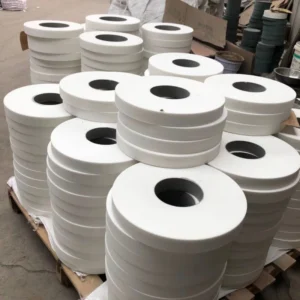
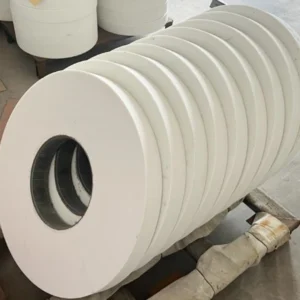
We manufacture high-quality vitrified grinding wheels for precision metalworking applications.
Our products feature:
- Premium White Aluminum Oxide and Brown Aluminum Oxide abrasives
- Stable vitrified bond technology
- Excellent cutting efficiency
- Long service life
- Consistent dimensional accuracy
- Custom sizes and specifications available
We supply grinding wheels for:
- Surface grinding
- Cylindrical grinding
- Crankshaft grinding
- Camshaft grinding
- Centerless grinding
- Tool room grinding
Whether you require standard wheels or customized solutions, our technical team can recommend the optimal specification for your application.
Conclusion
Selecting the correct grinding wheel for hardened steel is essential for achieving superior surface finish, longer wheel life, and higher productivity.
By choosing the right abrasive, grit size, bond type, and wheel grade, manufacturers can significantly reduce grinding costs while improving machining efficiency.
If you’re unsure which grinding wheel best suits your hardened steel application, contact our technical team for professional recommendations and customized solutions.
Don’t forget to follow us on LinkedIn for more grinding tips, application guides, and the latest updates on vitrified grinding wheels and abrasive solutions.