🔹 Introduction
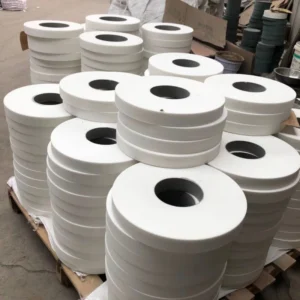
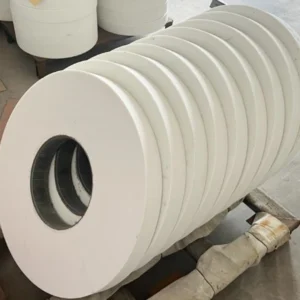
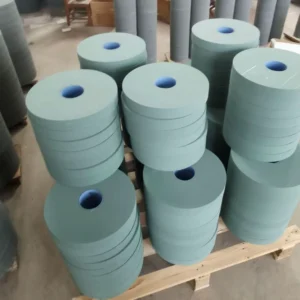
Choosing the correct grinding wheel size is essential for achieving precision, efficiency, and long service life in shaft and cylindrical grinding. However, many buyers are not fully familiar with standard grinding wheel dimensions and how they relate to specific applications.
In this guide, we will explain the most common grinding wheel sizes used in shaft and cylindrical grinding. In addition, we will help you understand how to select the right size based on your machine and workpiece requirements.
🔹 What Do Grinding Wheel Dimensions Mean?
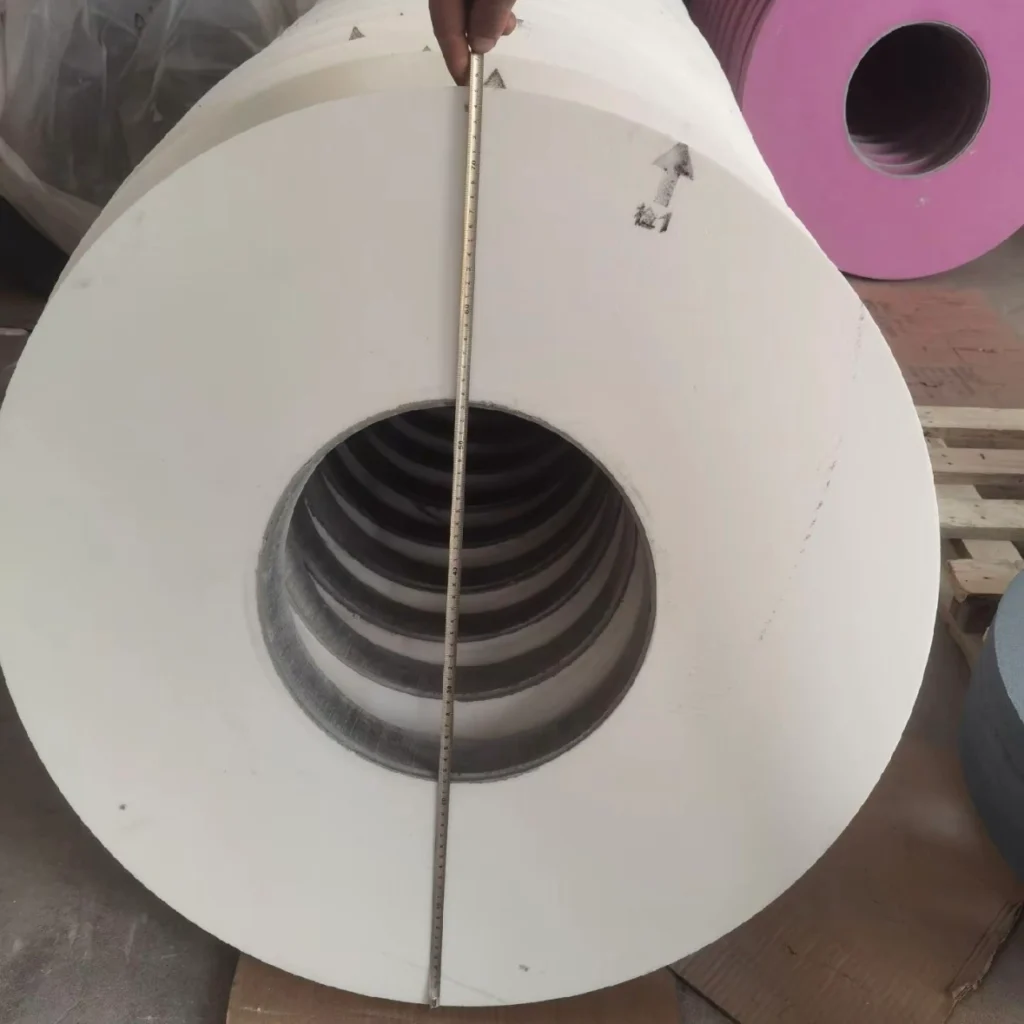
Grinding wheel sizes are typically defined by three key dimensions:
- Outer Diameter (OD) – the overall diameter of the wheel
- Thickness (T) – the width of the wheel
- Bore Size (ID) – the inner hole diameter
For example:
900 × 25 × 304.8 mm
→ 900 mm diameter × 25 mm thickness × 304.8 mm bore
These dimensions directly affect grinding stability, contact area, and material removal rate. Therefore, selecting the correct size is critical.
🔹 Common Grinding Wheel Sizes for Shaft Grinding
For shaft and cylindrical grinding applications, the following sizes are widely used in the industry:
🔸 Medium Diameter Wheels
- 750 × 16 × 203.2 mm
- 750 × 25 × 304.8 mm
These sizes are commonly used for general shaft grinding. They provide a good balance between precision and efficiency.
🔸 Large Diameter Wheels
- 800 × 20 × 304.8 mm
- 900 × 25 × 304.8 mm
- 915 × 32 × 304.8 mm
Large grinding wheels are ideal for heavy-duty applications. In particular, they are widely used in crankshaft and large shaft grinding because they offer better stability and longer service life.
🔸 Extra-Large Industrial Wheels
- 1000 mm – 1250 mm diameter (customized)
These wheels are typically used in specialized industrial machines. However, they require precise balancing and high-quality vitrified bonding to ensure safe operation.
🔹 How to Choose the Right Grinding Wheel Size
Selecting the correct grinding wheel size depends on several factors. Therefore, you should always consider the following:
1. Machine Type
Different grinding machines require specific wheel sizes. Always check your machine specifications before selecting a wheel.
2. Workpiece Size
Larger shafts require larger diameter wheels. On the other hand, smaller shafts can be processed with smaller wheels.
3. Grinding Application
- Rough grinding → thicker wheels
- Finish grinding → thinner wheels
4. Stability Requirements
Larger wheels generally provide better stability. However, they also require higher machine power.
🔹 Why Vitrified Grinding Wheels Are Common for Shafts
Vitrified grinding wheels are widely used in shaft and cylindrical grinding. This is because they offer:
- High rigidity
- Excellent dimensional stability
- Better heat resistance
As a result, they are especially suitable for precision grinding and heavy-duty applications.
🔹 Common Mistakes When Choosing Grinding Wheel Sizes
Many buyers make similar mistakes when selecting grinding wheels. For example:
- Choosing a size that does not match the machine
- Ignoring bore size compatibility
- Selecting overly large wheels without sufficient machine power
Therefore, it is always recommended to confirm all technical details before placing an order.
🔹 Conclusion
In summary, understanding common grinding wheel sizes for shaft grinding is essential for improving performance and reducing costs. By selecting the correct diameter, thickness, and bore size, you can achieve better grinding results and longer wheel life.
Looking for the right grinding wheel size for your application?
Contact us with your machine model, workpiece size, and material — we will recommend the most suitable specification for you.
Email: info@htfmaterials.com
WhatsApp: +86 186 5248 6698