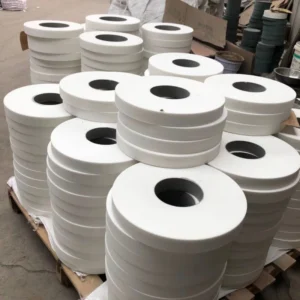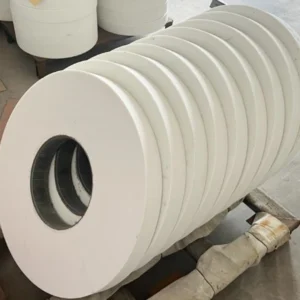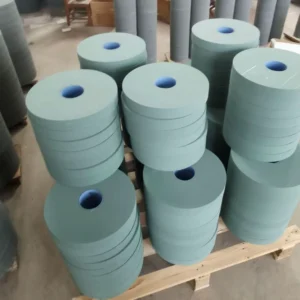
Grinding wheels play an important role in precision grinding, engine rebuilding, and metal processing industries. Among the most commonly used abrasive materials, WA (White Aluminum Oxide) and GC (Green Silicon Carbide) grinding wheels are widely used for different grinding applications.
Choosing the correct grinding wheel can directly affect grinding efficiency, surface finish, wheel life, and workpiece quality. Using the wrong abrasive may cause grinding burn, poor surface roughness, excessive wheel wear, or low productivity.
In this article, we will compare WA and GC grinding wheels, including their characteristics, applications, advantages, and how to choose the suitable abrasive for crankshaft grinding and engine rebuilding applications.
What is WA Grinding Wheel?
WA grinding wheel refers to White Aluminum Oxide grinding wheel. It is one of the most common abrasives used for precision grinding of steel materials.
White aluminum oxide has high hardness and excellent self-sharpening properties. During grinding, worn abrasive grains break away easily and expose new sharp cutting edges, helping maintain stable grinding performance.
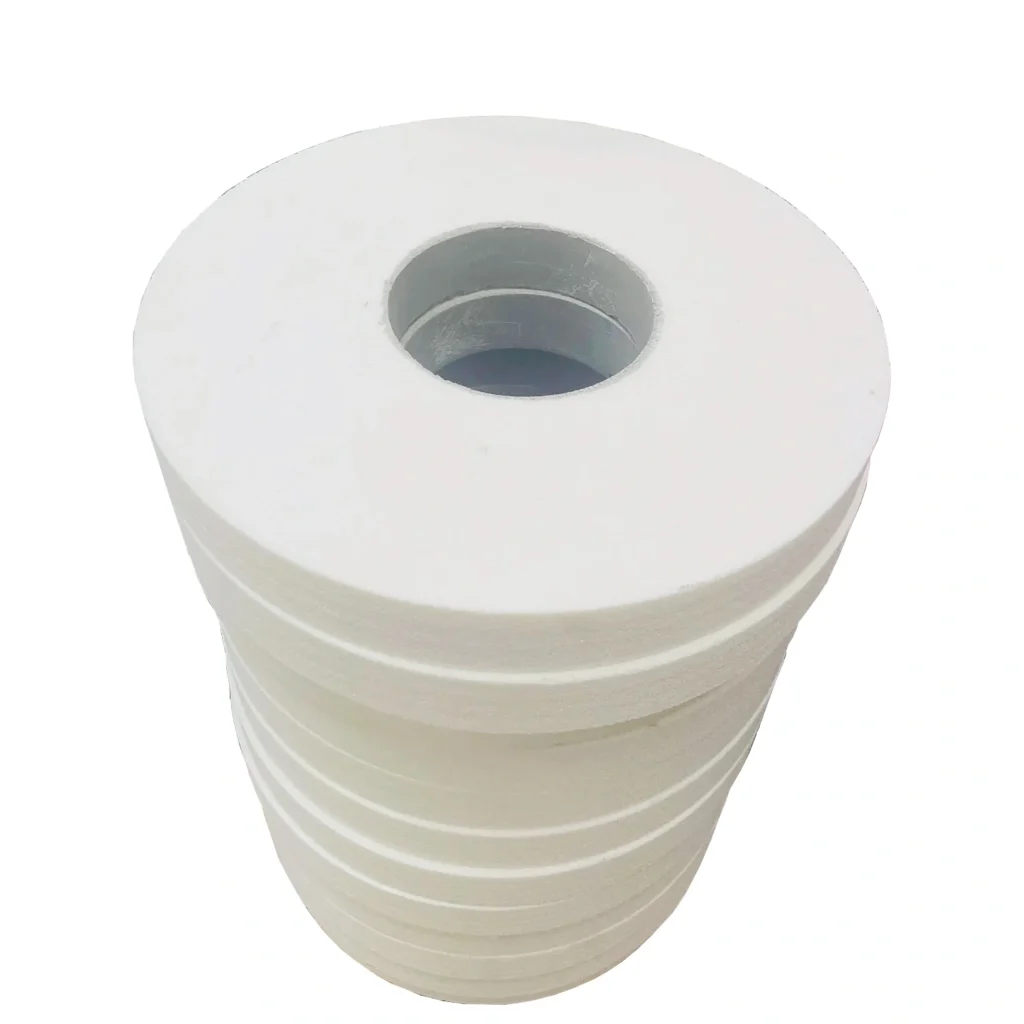
WA grinding wheels are widely used for:
- Crankshaft grinding
- Camshaft grinding
- Tool grinding
- Precision cylindrical grinding
- Hardened steel grinding
- Alloy steel grinding
Main Features of WA Grinding Wheel
- High hardness
- Good self-sharpening ability
- Cool grinding performance
- Sharp cutting action
- Suitable for precision grinding
Compared with ordinary aluminum oxide wheels, WA grinding wheels can achieve better surface finish and reduce grinding heat.
Common Applications
WA grinding wheels are especially suitable for:
- Forged steel crankshafts
- Alloy steel components
- Automotive engine rebuilding
- Precision grinding workshops
- CNC grinding applications
Related Product:
Crankshaft Grinding Wheel
Related Product:
Camshaft Grinding Wheel
What is GC Grinding Wheel?
GC grinding wheel refers to Green Silicon Carbide grinding wheel. Green silicon carbide is harder but more brittle than white aluminum oxide.
GC abrasive has very sharp cutting edges and excellent cutting ability for hard and brittle materials.
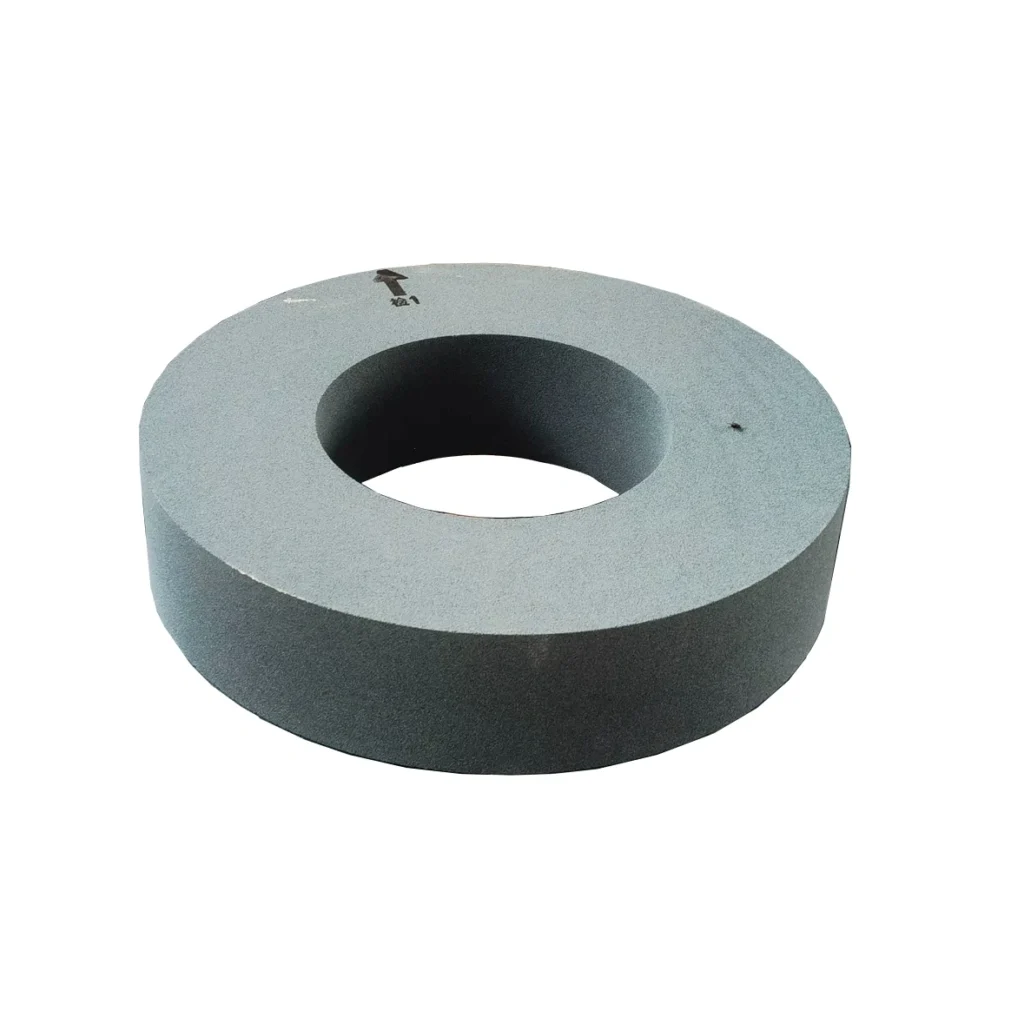
GC grinding wheels are commonly used for:
- Cast iron grinding
- Carbide grinding
- Non-ferrous metal grinding
- Cylinder head grinding
- Stone and ceramic grinding
Main Features of GC Grinding Wheel
- Extremely high hardness
- Fast cutting performance
- Sharp abrasive grains
- Suitable for brittle materials
- Good grinding efficiency
However, due to its brittleness, GC grinding wheels may wear faster when grinding tough steel materials.
Common Applications
GC grinding wheels are widely used in:
- Cylinder head resurfacing
- Cast iron grinding
- Tungsten carbide grinding
- Engine repair workshops
- Surface grinding applications
Related Product:
Cylinder Head Grinding Wheel
WA vs GC Grinding Wheel Comparison
| Feature | WA Grinding Wheel | GC Grinding Wheel |
|---|---|---|
| Abrasive Material | White Aluminum Oxide | Green Silicon Carbide |
| Hardness | High | Very High |
| Toughness | Better | Lower |
| Self-Sharpening | Good | Excellent |
| Best For | Steel & Alloy Steel | Cast Iron & Carbide |
| Grinding Temperature | Lower | Higher |
| Surface Finish | Fine | Fine |
| Wheel Wear | Lower | Faster on Steel |
| Common Application | Crankshaft Grinding | Cylinder Head Grinding |
Which Grinding Wheel is Better for Crankshaft Grinding?
For most crankshaft grinding applications, WA & A grinding wheels are generally considered the better choice.
Crankshafts are usually made from forged steel or alloy steel materials. WA grinding wheels provide better toughness, stable grinding performance, and lower grinding temperature during the grinding process.
Advantages of WA grinding wheels for crankshaft grinding include:
- Reduced grinding burn
- Better dimensional accuracy
- Improved surface finish
- Longer wheel life
- Stable grinding performance
GC grinding wheels are sometimes used for cast iron crankshafts or special applications, but for most steel crankshaft grinding operations, WA grinding wheels are more commonly recommended.
Related Article:
How to Choose Crankshaft Grinding Wheel
Common Grinding Problems and Solutions
Why does the grinding wheel burn the workpiece?
Grinding burn is usually caused by:
- Incorrect wheel hardness
- Excessive grinding pressure
- Poor coolant supply
- Wrong abrasive selection
For steel crankshaft grinding, WA grinding wheels often help reduce grinding heat.
Why does the grinding wheel wear too fast?
Possible reasons include:
- Abrasive too brittle
- Wheel grade too soft
- Incorrect grinding speed
- Improper dressing conditions
GC grinding wheels may wear faster when used on tough steel materials.
Why is the surface finish poor?
Poor surface finish may result from:
- Wrong grit size
- Wheel vibration
- Improper dressing
- Incompatible abrasive material
Using suitable abrasive type and grit size is important for achieving stable grinding quality.
How to Choose the Right Grinding Wheel?
When selecting grinding wheels, the following factors should be considered:
Workpiece Material
- Steel → WA grinding wheel
- Cast iron → GC grinding wheel
- Carbide → GC grinding wheel
Grinding Method
- Precision grinding
- Cylindrical grinding
- Surface grinding
- CNC grinding
Surface Finish Requirement
Finer grit sizes usually provide better surface finish but lower grinding efficiency.
Grinding Temperature
Cool grinding is important for preventing thermal damage on engine components.
What grit size is suitable for crankshaft grinding?
Common grit sizes for crankshaft grinding include 46#, 60#, and 80#, depending on grinding conditions and finish requirements.
Conclusion
Both WA and GC grinding wheels have their own advantages and suitable applications. WA grinding wheels are generally preferred for steel, alloy steel, and crankshaft grinding, while GC grinding wheels are widely used for cast iron, carbide, and cylinder head grinding.
Choosing the correct grinding wheel depends on workpiece material, grinding conditions, surface finish requirements, and machine setup.
If you are looking for customized grinding wheels for crankshaft grinding, camshaft grinding, cylinder head grinding, or engine rebuilding applications, feel free to contact us for technical support and recommendations.
Follow Us
For more grinding wheel applications, technical articles, and production updates, feel free to follow us on social media.
Pinterest
Instagram