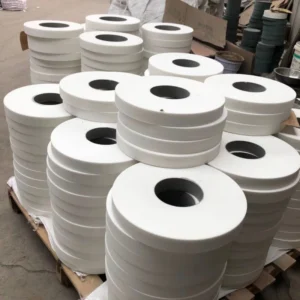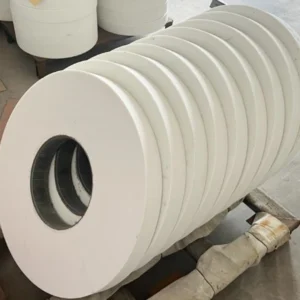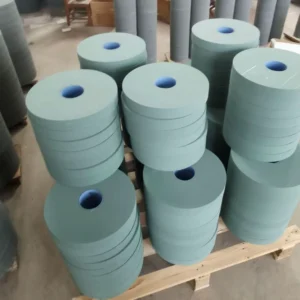
Choosing the correct grinding wheel grit size is one of the most important factors in achieving efficient grinding performance, good surface finish, and longer wheel life.
Whether you are grinding crankshafts, camshafts, tools, or general metal parts, the right grit size directly affects cutting speed, heat generation, and workpiece quality.
In this guide, we explain how to select grinding wheel grit size for different grinding applications and materials.
What Is Grinding Wheel Grit Size?
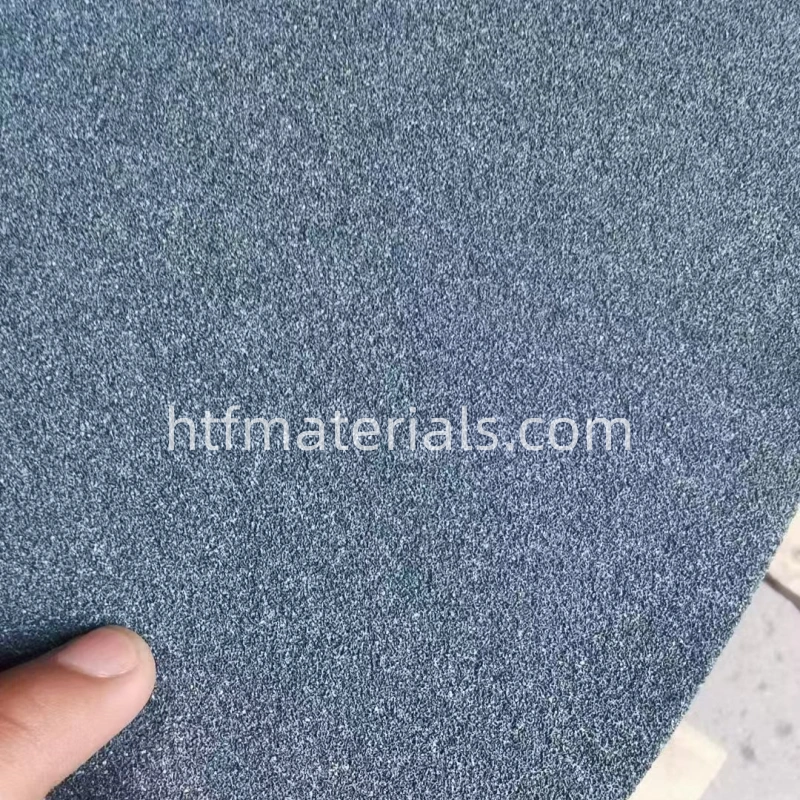
Grinding wheel grit size refers to the size of abrasive particles inside the wheel.
- Coarse grit = larger abrasive grains
- Fine grit = smaller abrasive grains
The grit number usually ranges from 16 to 600.
General Rule:
- Lower grit number → Coarser wheel
- Higher grit number → Finer wheel
For example:
| Grit Size | Type | Typical Use |
|---|---|---|
| 16–24 | Very coarse | Heavy stock removal |
| 30–46 | Coarse | Rough grinding |
| 54–80 | Medium | General precision grinding |
| 100–180 | Fine | Fine finishing |
| 220–600 | Very fine | Super finishing & polishing |
How Grit Size Affects Grinding Performance
Coarse Grit Grinding Wheels
Coarse grit grinding wheels remove material faster and generate less loading.
Advantages:
- Faster stock removal
- Cooler cutting
- Better for soft materials
- Suitable for large contact areas
Typical applications:
- Foundry grinding
- Weld removal
- Crankshaft rough grinding
- Heavy-duty cylindrical grinding
Fine Grit Grinding Wheels
Fine grit grinding wheels produce smoother finishes and more accurate dimensions.
Advantages:
- Better surface finish
- Higher dimensional accuracy
- Reduced vibration marks
- Suitable for hard materials
Typical applications:
- Tool grinding
- Bearing grinding
- Camshaft finishing
- Precision surface grinding
Factors to Consider When Selecting Grit Size
1. Material Hardness
The hardness of the workpiece greatly affects grit selection.
| Material Type | Recommended Grit |
|---|---|
| Soft steel | Coarse grit |
| Hardened steel | Fine grit |
| Cast iron | Medium grit |
| Carbide | Fine to very fine grit |
| Stainless steel | Medium to fine grit |
Hard materials usually require finer grit wheels for better control and finish.
2. Amount of Material Removal
If large amounts of material need to be removed quickly, choose coarse grit.
- Heavy stock removal → 24–46 grit
- Medium grinding → 54–80 grit
- Finishing → 100+ grit
3. Required Surface Finish
Surface roughness requirements are critical.
| Surface Requirement | Recommended Grit |
|---|---|
| Rough finish | 24–46 |
| Standard industrial finish | 60–80 |
| Fine precision finish | 100–180 |
| Mirror-like finish | 220+ |
4. Contact Area
Large contact areas create more heat.
For large contact surfaces:
- Use coarser grit
- Improve chip clearance
- Reduce burning risk
For small contact areas:
- Fine grit can be used safely
5. Grinding Machine Power
Machine horsepower also matters.
- Low-power machines → finer grit
- High-power machines → coarser grit possible
Powerful machines can handle aggressive cutting more efficiently.
Common Grit Size Recommendations
Surface Grinding
Typical grit:
- 46–60 for general grinding
- 80–120 for fine finishing
Cylindrical Grinding
Typical grit:
- 46–80
Crankshaft Grinding
Typical grit:
- 46–80 vitrified grinding wheels
Tool & Cutter Grinding
Typical grit:
- 80–180
Carbide Grinding
Typical grit:
- 120–320 diamond or silicon carbide wheels
Signs You Are Using the Wrong Grit Size
Grit Too Coarse
Problems may include:
- Poor surface finish
- Excessive scratches
- Vibration marks
- Reduced dimensional accuracy
Grit Too Fine
Problems may include:
- Wheel loading
- Burning
- Slow cutting
- Excessive heat generation
Practical Selection Tips
- Start with medium grit if unsure
- Adjust based on surface finish and cutting efficiency
- Use coarse grit for productivity
- Use fine grit for precision work
- Test different grit sizes for optimized performance
In industrial grinding, balancing material removal rate and surface quality is the key to selecting the best grit size.
Conclusion
Selecting the correct grinding wheel grit size improves grinding efficiency, wheel life, and workpiece quality. The best grit size depends on:
- Workpiece material
- Surface finish requirement
- Material removal rate
- Contact area
- Grinding machine capability
For most industrial applications, medium grit wheels offer a good balance between cutting speed and finish quality, while fine grit wheels are preferred for precision grinding operations.
Choosing the proper grinding wheel specification can significantly reduce grinding costs and improve machining consistency.
For more grinding wheel applications, workshop videos, and industrial grinding tips,
follow us on Instagram.