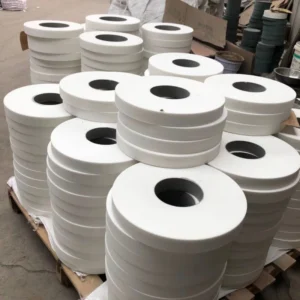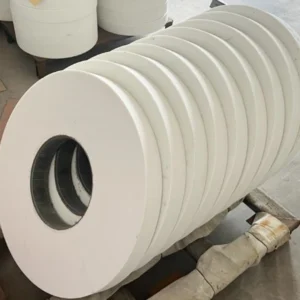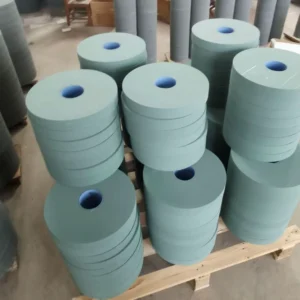
In grinding applications, the structure of a grinding wheel plays a critical role in grinding performance, heat generation, chip removal, and wheel life. Two common types are open structure grinding wheels and dense structure grinding wheels.
Understanding the difference between these two structures helps users select the right wheel for crankshaft grinding, cylindrical grinding, tool grinding, and other precision machining applications.
What Is Grinding Wheel Structure?
Grinding wheel structure refers to the spacing between abrasive grains inside the wheel.
- Open structure = larger spacing and more pores
- Dense structure = tighter grain arrangement and fewer pores
The structure directly affects:
- Chip clearance
- Heat dissipation
- Cutting aggressiveness
- Surface finish
- Wheel wear
Open Structure Grinding Wheel
An open structure grinding wheel contains more pores and wider spaces between abrasive grains.
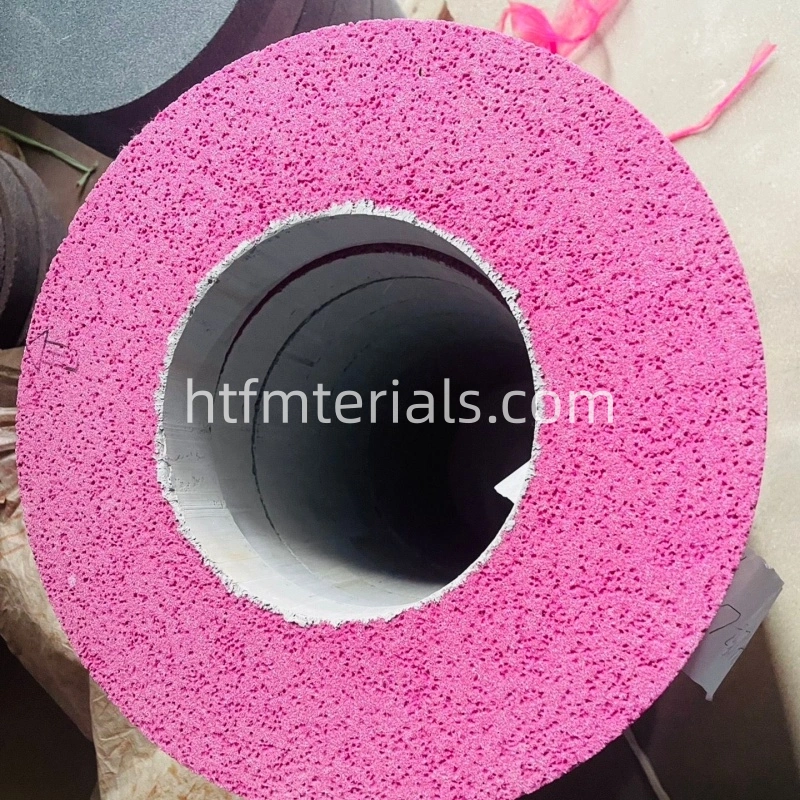
Characteristics
- Better chip clearance
- Lower grinding temperature
- Reduced loading and burning
- More coolant penetration
- Softer cutting action
Advantages
- Suitable for heavy grinding
- Helps prevent workpiece overheating
- Ideal for materials that generate large chips
- Reduces wheel clogging
Typical Applications
- Crankshaft grinding
- Camshaft grinding
- Cylindrical grinding
- Rough grinding operations
- Stainless steel grinding
- Cast iron grinding
Recommended Materials
- Steel
- Stainless steel
- Cast iron
- Forged components
Dense Structure Grinding Wheel
A dense structure grinding wheel has abrasive grains packed closely together with fewer pores.
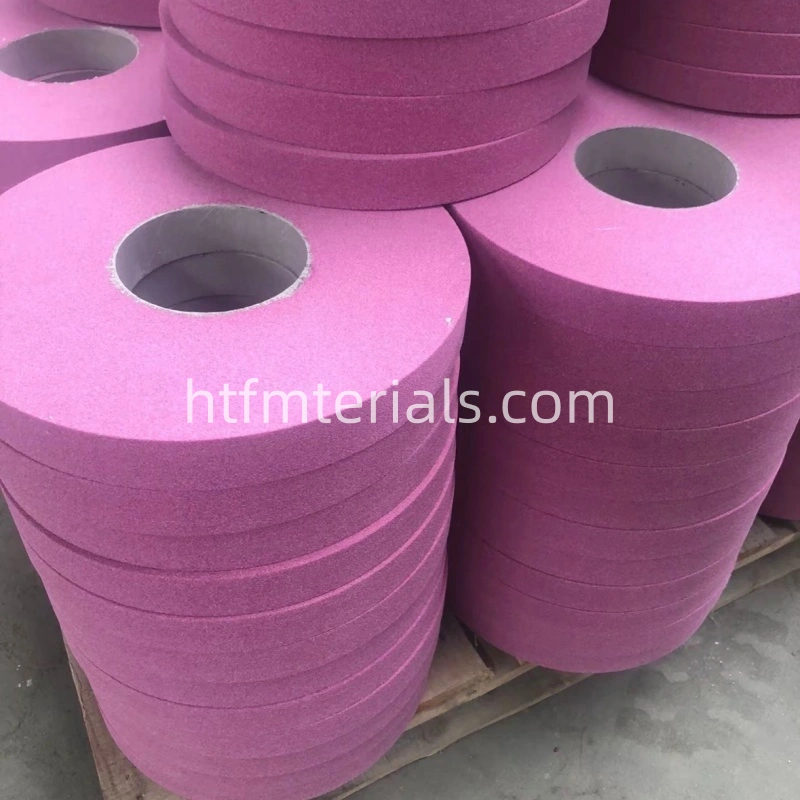
Characteristics
- Higher grain density
- Stronger wheel body
- More cutting points per area
- Better dimensional stability
- Smoother surface finish
Advantages
- High precision grinding
- Better surface quality
- Longer wheel life in fine grinding
- Suitable for light grinding loads
Typical Applications
- Precision cylindrical grinding
- Bearing grinding
- Tool grinding
- Surface finishing
- Fine tolerance machining
Recommended Materials
- Hardened steel
- Bearing steel
- Precision mechanical parts
Open Structure vs Dense Structure: Key Differences
| Feature | Open Structure | Dense Structure |
|---|---|---|
| Grain Spacing | Larger | Smaller |
| Porosity | High | Low |
| Heat Dissipation | Better | Moderate |
| Chip Clearance | Excellent | Limited |
| Surface Finish | Rougher | Smoother |
| Grinding Pressure | Lower | Higher |
| Wheel Strength | Lower | Higher |
| Typical Use | Heavy grinding | Precision grinding |
Which Grinding Wheel Structure Should You Choose?
The correct structure depends on your grinding application.
Choose an open structure wheel if:
- You need better cooling
- Your workpiece easily burns
- The grinding process generates heavy chips
- You perform rough grinding
Choose a dense structure wheel if:
- Surface finish is critical
- Precision tolerance is required
- You perform fine grinding
- Wheel rigidity is important
Grinding Wheel Structure in Crankshaft Grinding
For crankshaft grinding, open structure vitrified grinding wheels are commonly used because they:
- Improve coolant flow
- Reduce thermal damage
- Prevent wheel loading
- Maintain stable cutting performance
In precision finishing operations, a relatively denser structure may be selected to improve surface quality and dimensional accuracy.
Conclusion
Both open structure and dense structure grinding wheels have important advantages depending on the grinding task.
- Open structure wheels offer better cooling and chip removal.
- Dense structure wheels provide higher precision and smoother finishes.
Selecting the right grinding wheel structure can improve grinding efficiency, extend wheel life, and enhance workpiece quality.
If you are unsure which wheel structure fits your application, it is recommended to choose based on:
- Workpiece material
- Grinding depth
- Surface finish requirements
- Machine conditions
- Coolant usage
Professional grinding wheel manufacturers can also recommend customized wheel specifications according to your grinding process.
Follow Us on Instagram
Follow our Instagram for more grinding wheel applications, production videos, and industry updates:
We regularly share:
- Grinding wheel production
- Crankshaft grinding applications
- Surface grinding solutions
- Industrial abrasive tips
- Customer testing videos