Introduction
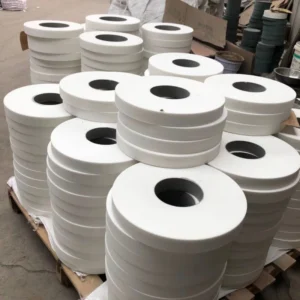
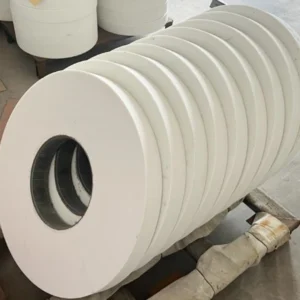
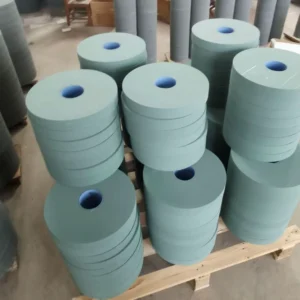
CNC grinding machines are widely used in modern manufacturing for producing high-precision components with excellent surface finishes. Whether grinding shafts, bearings, automotive parts, aerospace components, or cutting tools, the grinding wheel plays a critical role in determining productivity, accuracy, and overall grinding performance.
Choosing the right grinding wheel for CNC grinding machines can significantly improve grinding efficiency, reduce cycle times, and extend wheel life. In this article, we will explore the key factors to consider when selecting a grinding wheel and the common wheel types used in CNC grinding applications.
Why Grinding Wheels Matter in CNC Grinding
Unlike conventional grinding machines, CNC grinders operate with high precision, automated controls, and optimized grinding parameters. The grinding wheel must be capable of maintaining dimensional accuracy while delivering consistent performance throughout the grinding process.
A properly selected grinding wheel can provide:
- Higher material removal rates
- Improved surface finish
- Better dimensional accuracy
- Reduced grinding burns
- Longer wheel life
- Lower production costs
Common Types of Grinding Wheels for CNC Machines
1. Aluminum Oxide Grinding Wheels
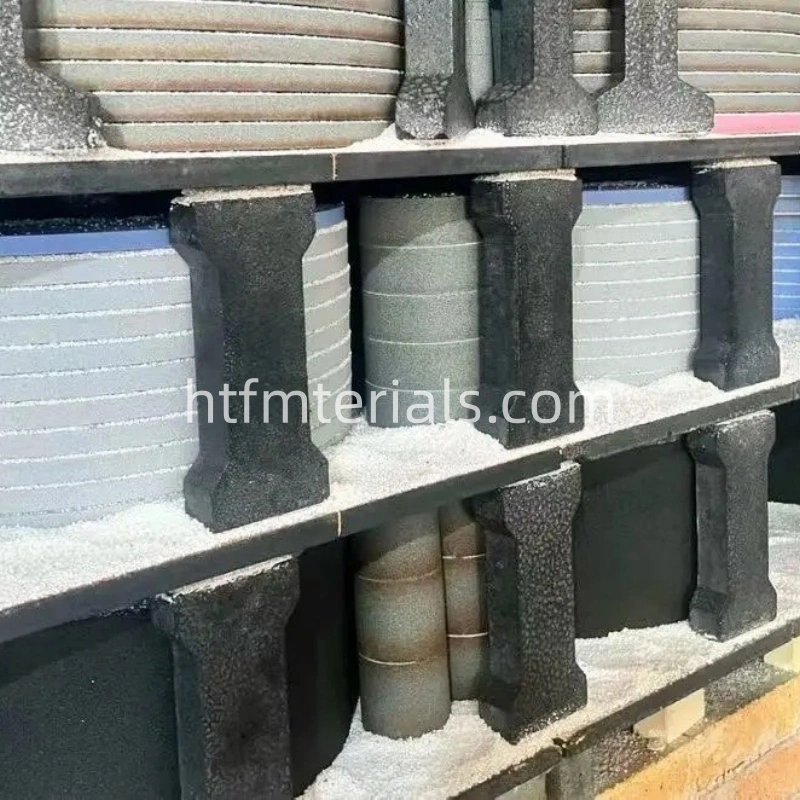
Aluminum oxide wheels are commonly used for grinding carbon steel, alloy steel, and tool steel components.
Advantages:
- Good durability
- Cost-effective
- Suitable for a wide range of materials
- Stable grinding performance
Typical applications:
- Cylindrical grinding
- Surface grinding
- Centerless grinding
2. White Aluminum Oxide Grinding Wheels
White aluminum oxide abrasives are harder and more friable than standard aluminum oxide.
Advantages:
- Cooler cutting action
- Reduced heat generation
- Better surface finish
Suitable for:
- Hardened steels
- High-speed steel (HSS)
- Precision tool grinding
3. Silicon Carbide Grinding Wheels
Silicon carbide wheels are ideal for grinding non-ferrous metals and hard brittle materials.
Typical materials:
- Cast iron
- Brass
- Bronze
- Carbide
- Ceramics
Advantages:
- Sharp cutting action
- Fast stock removal
- Excellent for hard materials
4. CBN Grinding Wheels
CBN (Cubic Boron Nitride) grinding wheels are designed for grinding hardened ferrous materials.
Benefits:
- Exceptional wheel life
- High dimensional stability
- Reduced dressing frequency
- Consistent grinding quality
Common applications:
- Crankshaft grinding
- Camshaft grinding
- Bearing manufacturing
- Gear grinding
5. Diamond Grinding Wheels
Diamond wheels are primarily used for non-ferrous and extremely hard materials.
Applications include:
- Tungsten carbide tools
- Ceramics
- Glass
- Composite materials
Advantages:
- Superior hardness
- Excellent wear resistance
- High precision grinding
Key Factors When Selecting a CNC Grinding Wheel
Workpiece Material
Different materials require different abrasive types.
| Material | Recommended Abrasive |
|---|---|
| Carbon Steel | Aluminum Oxide |
| Hardened Steel | CBN |
| Carbide | Diamond |
| Cast Iron | Silicon Carbide |
| Ceramics | Diamond |
Wheel Hardness
Wheel hardness determines how strongly abrasive grains are held by the bond.
- Softer wheels are generally used for hard materials.
- Harder wheels are suitable for softer materials.
Proper hardness selection helps maintain wheel sharpness and prevents excessive heat generation.
Grain Size
The abrasive grain size affects both stock removal and surface finish.
- Coarse grains: Faster material removal
- Fine grains: Better surface finish
Typical ranges:
- 24–46 grit for rough grinding
- 60–80 grit for general grinding
- 100–220 grit for fine finishing
Bond Type
Vitrified bond grinding wheels are the most common choice for CNC grinding applications.
Advantages of vitrified bonds:
- Excellent form retention
- High porosity
- Good coolant penetration
- Consistent grinding performance
Resin bond wheels may be preferred for specific applications requiring flexibility and superior finish.
CNC Grinding Applications
Modern CNC grinding machines are used in numerous industries, including:
Automotive Industry
- Crankshaft grinding
- Camshaft grinding
- Transmission components
- Engine parts
Aerospace Industry
- Turbine shafts
- Landing gear components
- Precision aerospace parts
Tool Manufacturing
- End mills
- Drills
- Reamers
- Cutting inserts
Bearing Industry
- Inner race grinding
- Outer race grinding
- Roller grinding
How to Improve Grinding Wheel Performance
To maximize grinding efficiency and wheel life:
- Use proper wheel dressing procedures.
- Maintain adequate coolant flow.
- Optimize grinding parameters.
- Select the correct wheel specification.
- Monitor wheel wear regularly.
Working closely with an experienced grinding wheel supplier can help optimize wheel performance for specific CNC grinding operations.
Conclusion
Selecting the right grinding wheel for CNC grinding machines is essential for achieving precision, productivity, and cost efficiency. Factors such as workpiece material, abrasive type, grain size, wheel hardness, and bond system all influence grinding performance.
Whether you require vitrified grinding wheels, cylindrical grinding wheels, crankshaft grinding wheels, or customized CNC grinding solutions, choosing the correct wheel specification can significantly improve your manufacturing results.
At HTF Materials, we supply high-quality grinding wheels for CNC grinding machines, helping customers achieve reliable performance and consistent grinding quality across a wide range of industrial applications.